

【Imperial Feast • Peking Duck Pilgrimage】
The Peking Duck Protocol – Positioning:
The No.1 reason to come to Beijing. This is a rigorous scientific experiment about duck skin crispiness and sweet bean sauce sweetness.
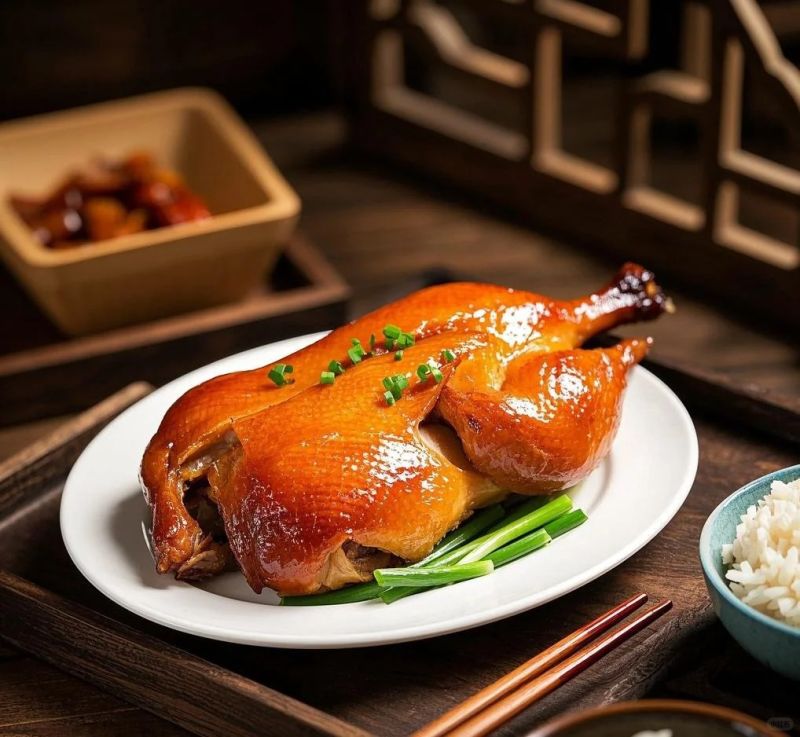
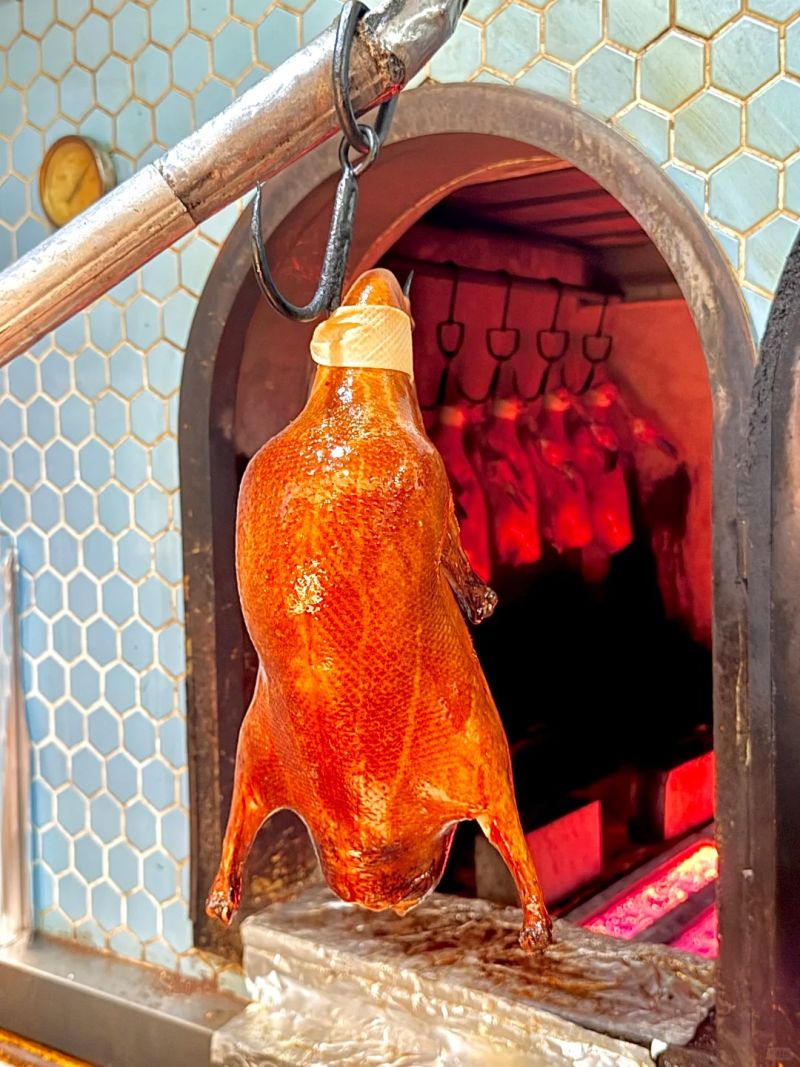
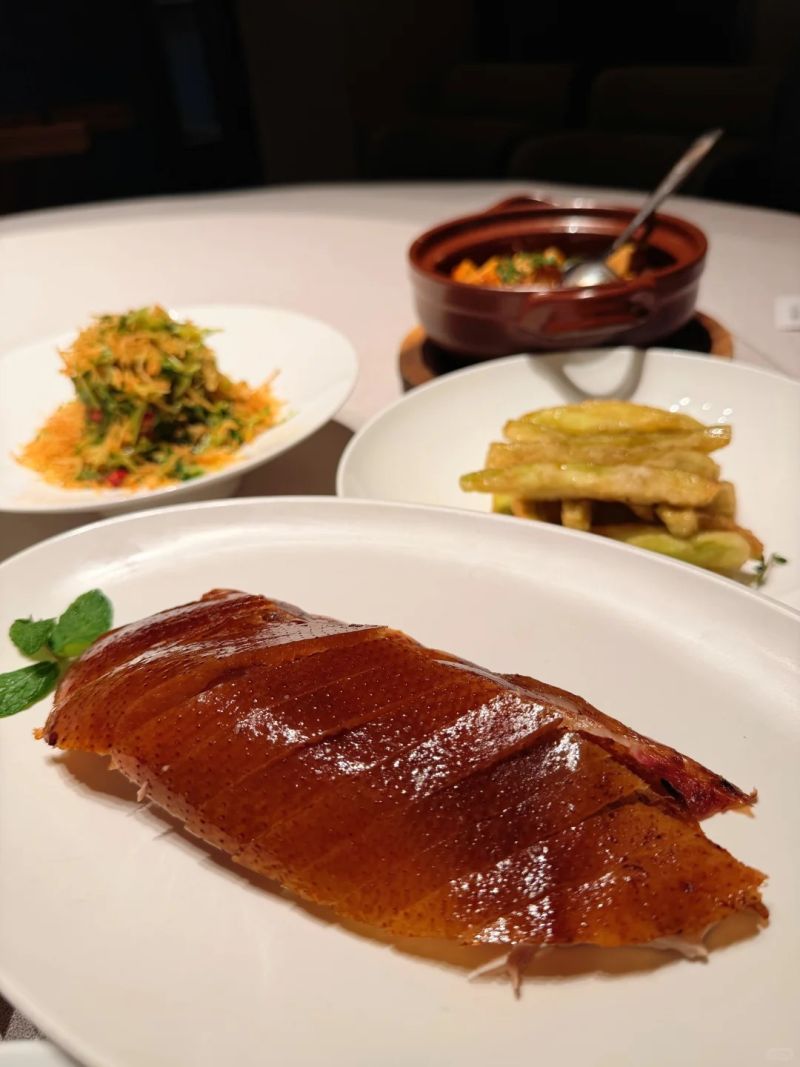
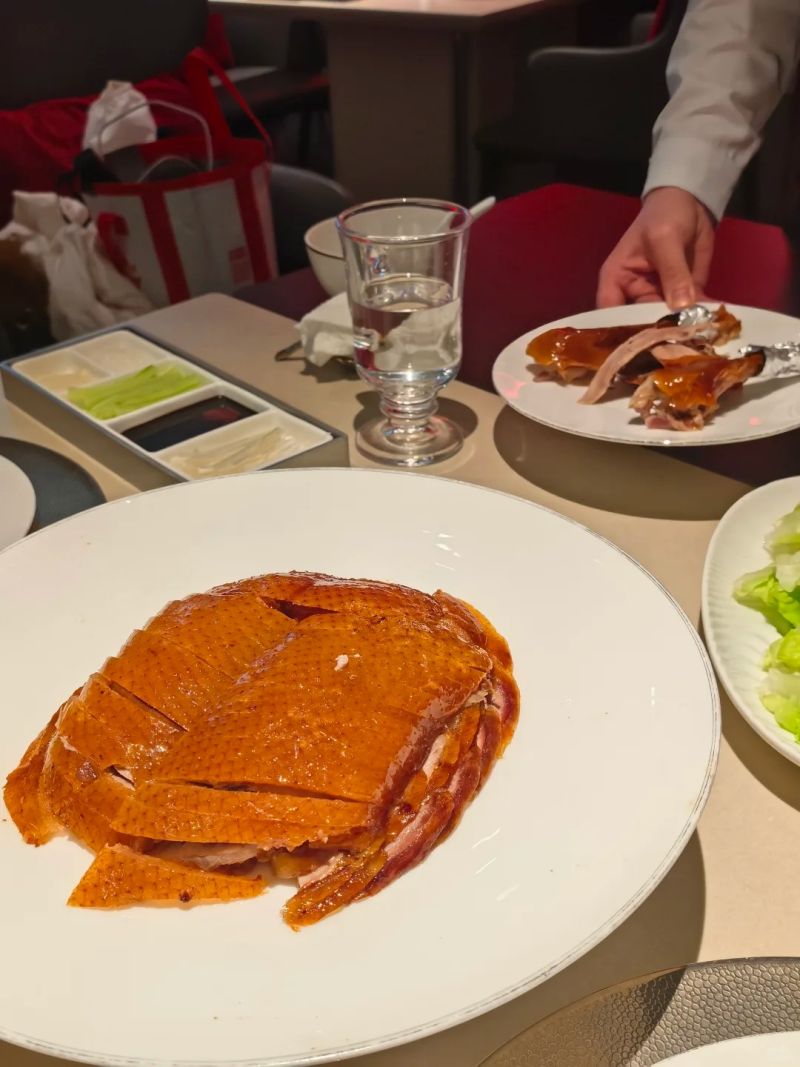
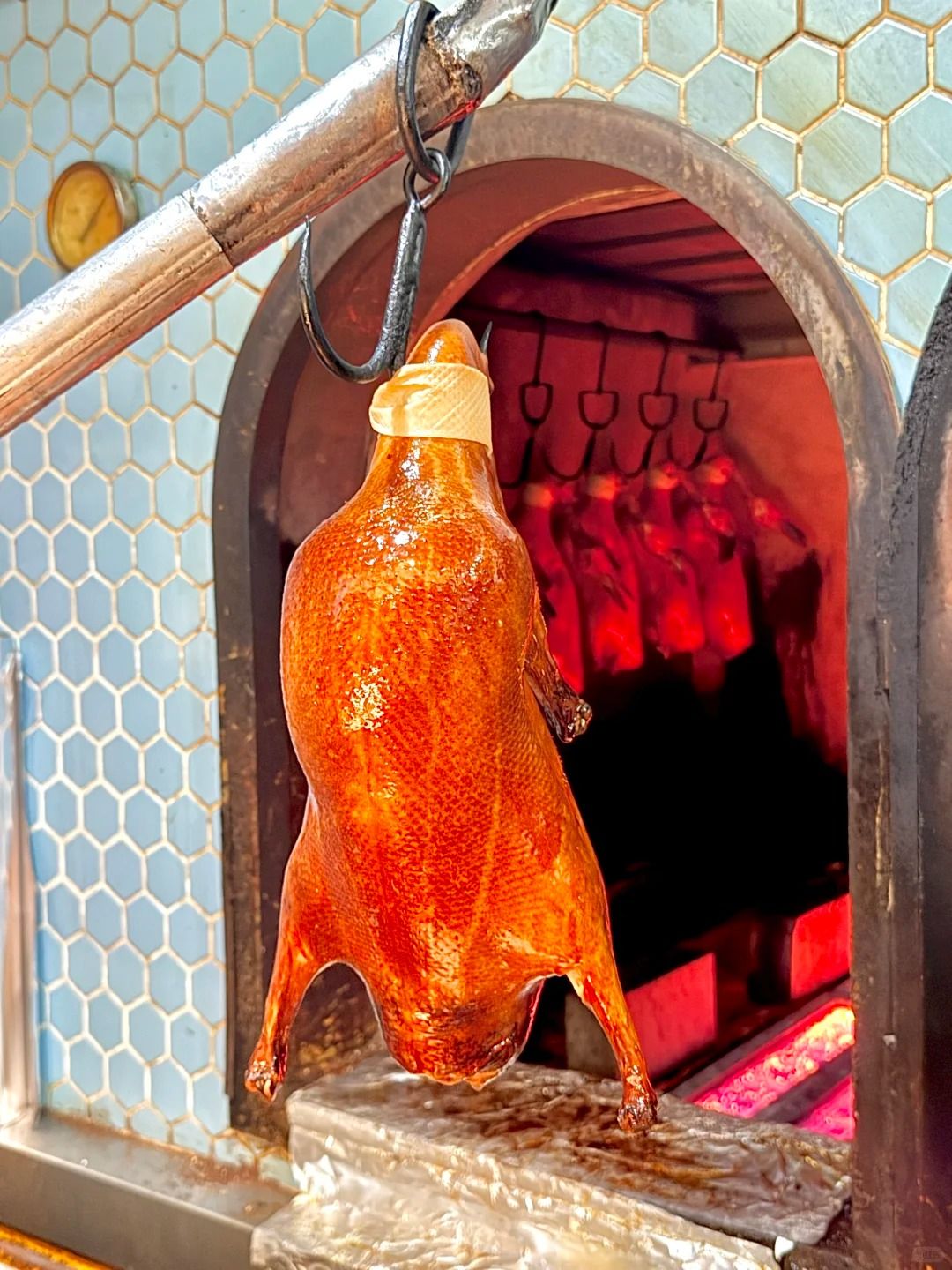
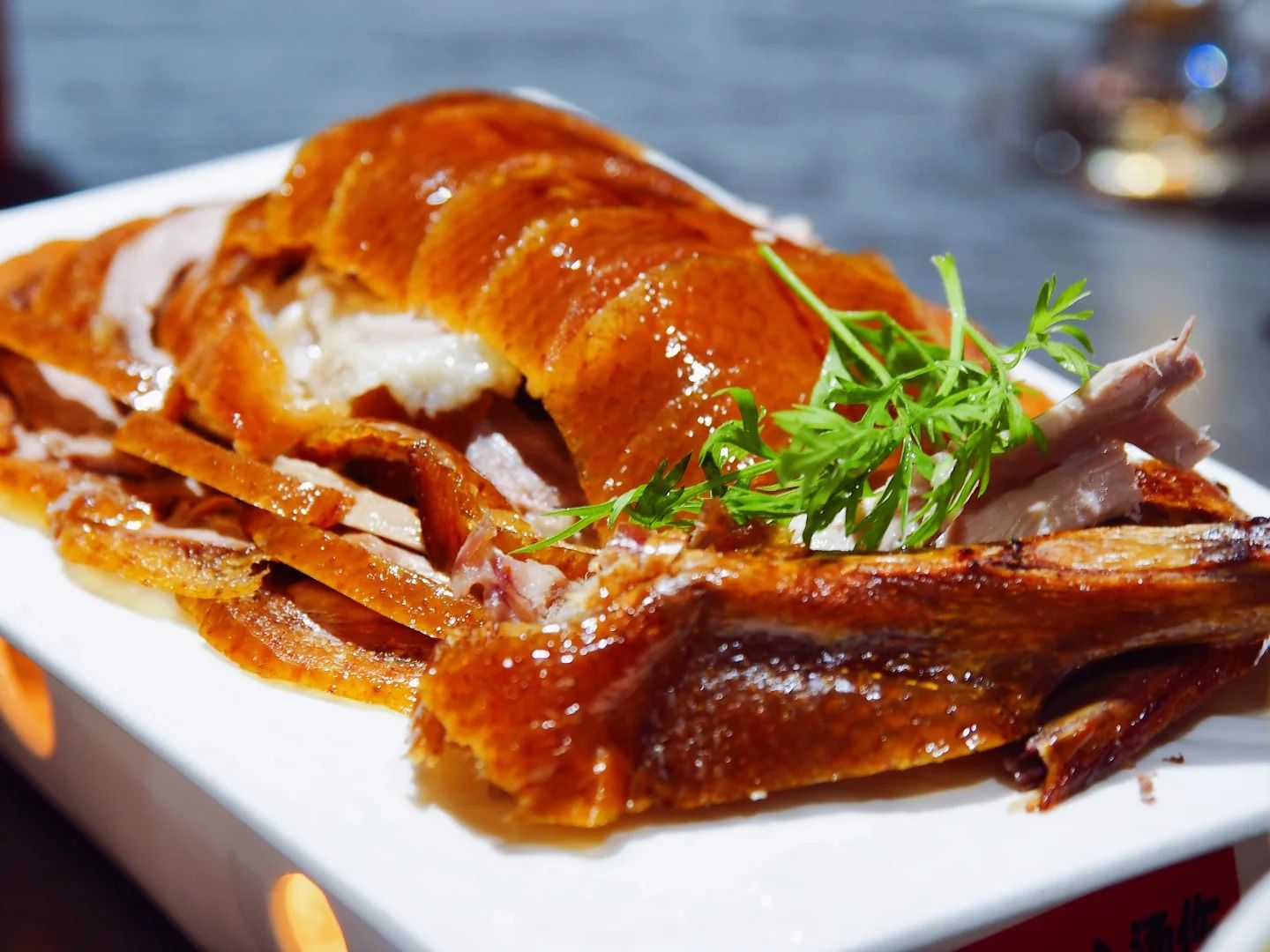
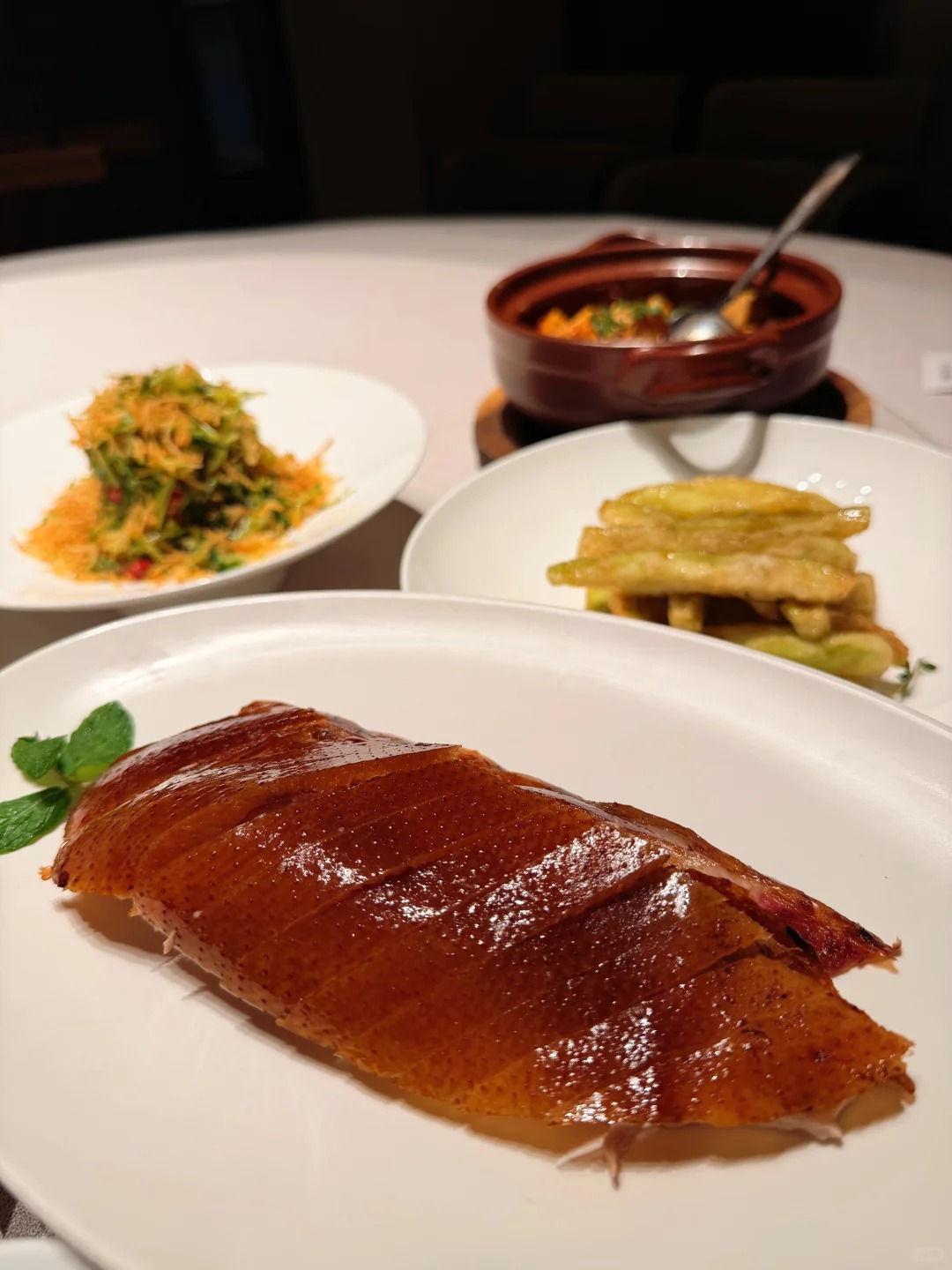
1. Open-Oven Roast Duck
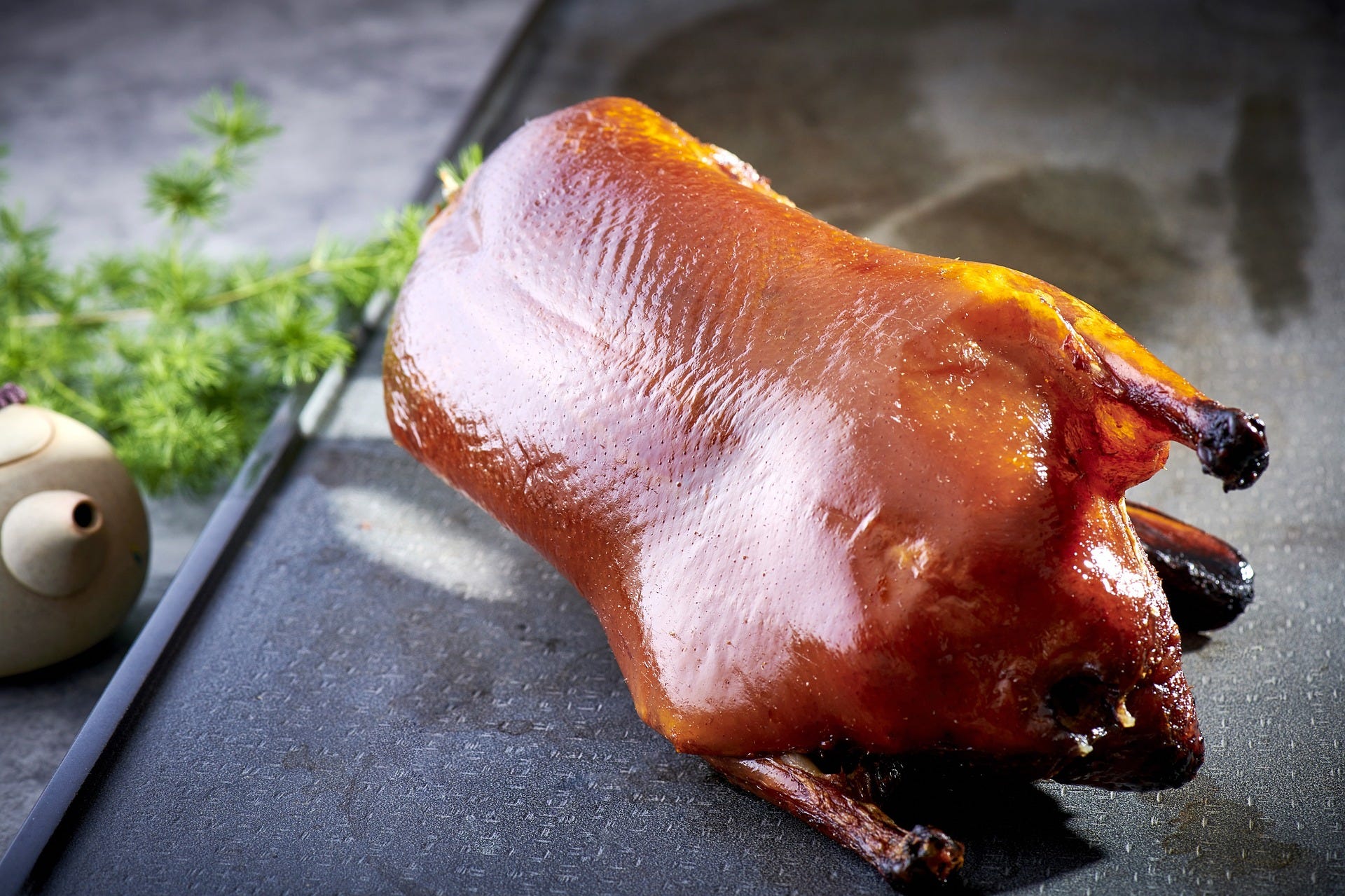
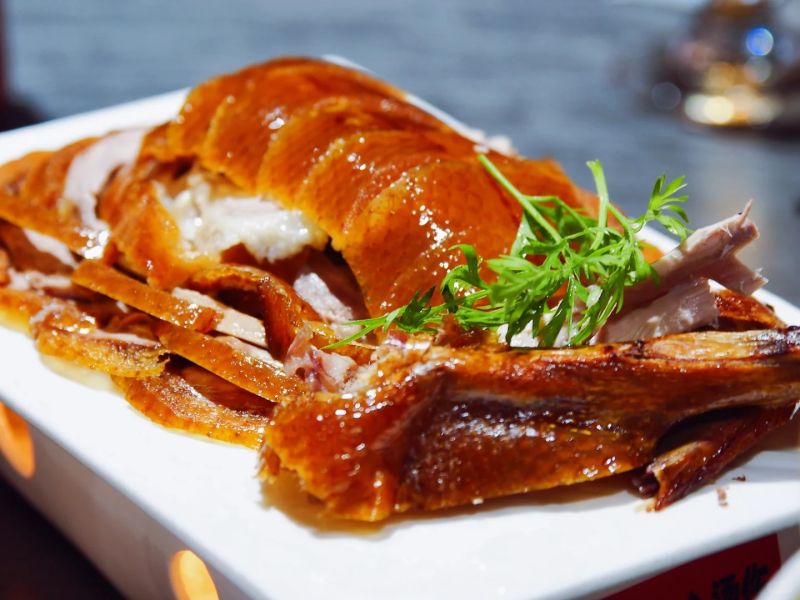
DVGO Method: Peking duck should be eaten in “three ways.” First, eat the duck skin dipped in white sugar (melts in your mouth). Second, eat the duck meat with sauce wrapped in pancakes. Third, use the duck frame to make soup or salt-and-pepper duck.
-
Siji Minfu — Queue King, Forbidden City View
Features: Currently the most stable in reputation in Beijing. The Forbidden City branch lets you enjoy duck while overlooking the moat and Donghua Gate. The view is unbeatable, but the queue is terrifying (recommended to get a number at 9 a.m.). Crispy skin, moderate fat.
-
Da Dong — First Choice for Business Dinners & Foreign Guests
Features: Their duck is a “crispy but not greasy” modern version, with lower fat content, matching modern health concepts. The plating is as refined as French cuisine, and it has the highest acceptance among foreign guests.
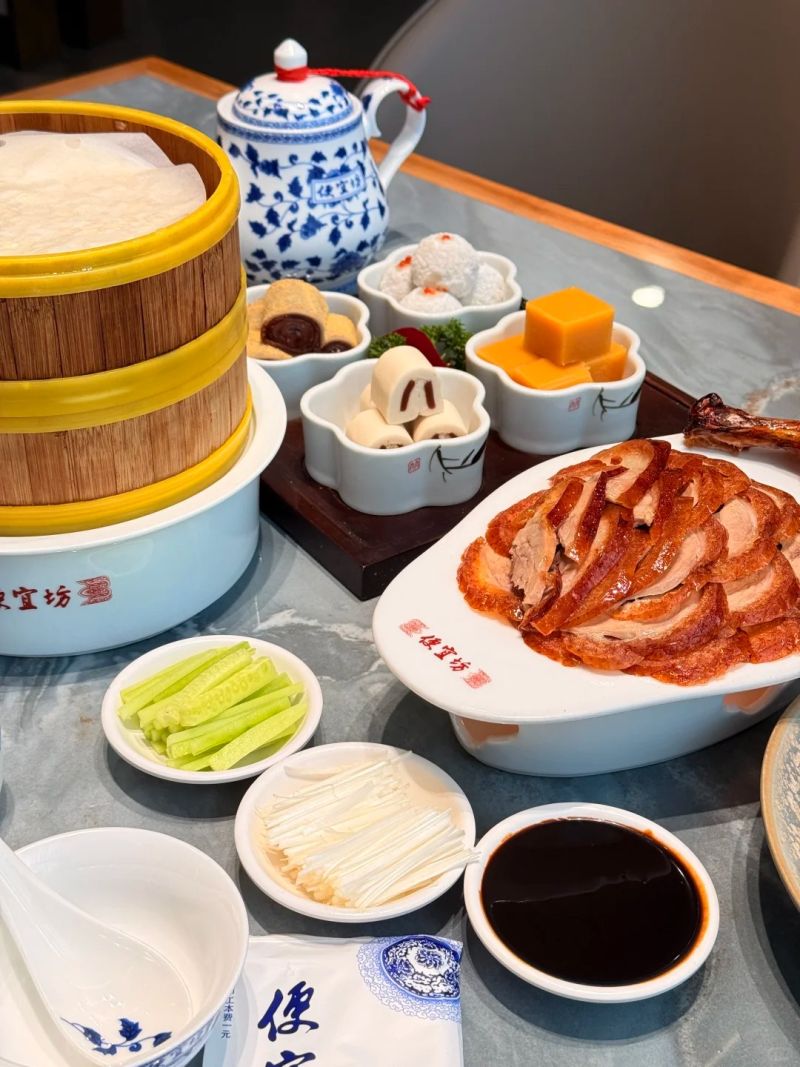
2. Closed-Oven Roast Duck
-
Bianyifang — A Hidden Time-Honored Brand
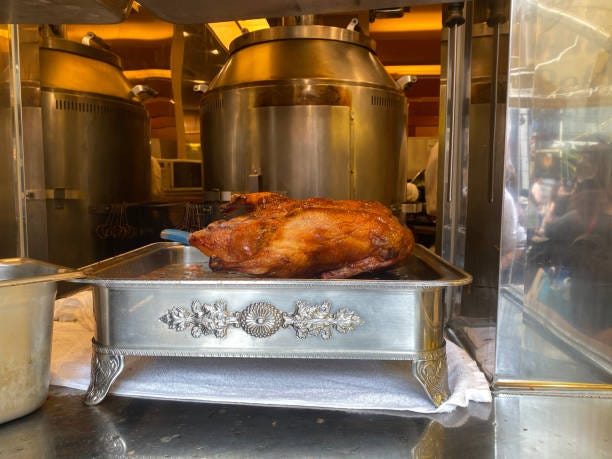
Features: 600 years of history, even older than Quanjude. No open flames—duck is slow-cooked by the heat of the oven walls. The meat retains more moisture and is more tender. Compared to internet-famous restaurants, more local Beijingers eat here.
💡 Exclusive Tip: True experts only add two strips of scallion and two slices of cucumber whenwrapping the duck. The sauce must not be too much, or it will overpower the flavor.
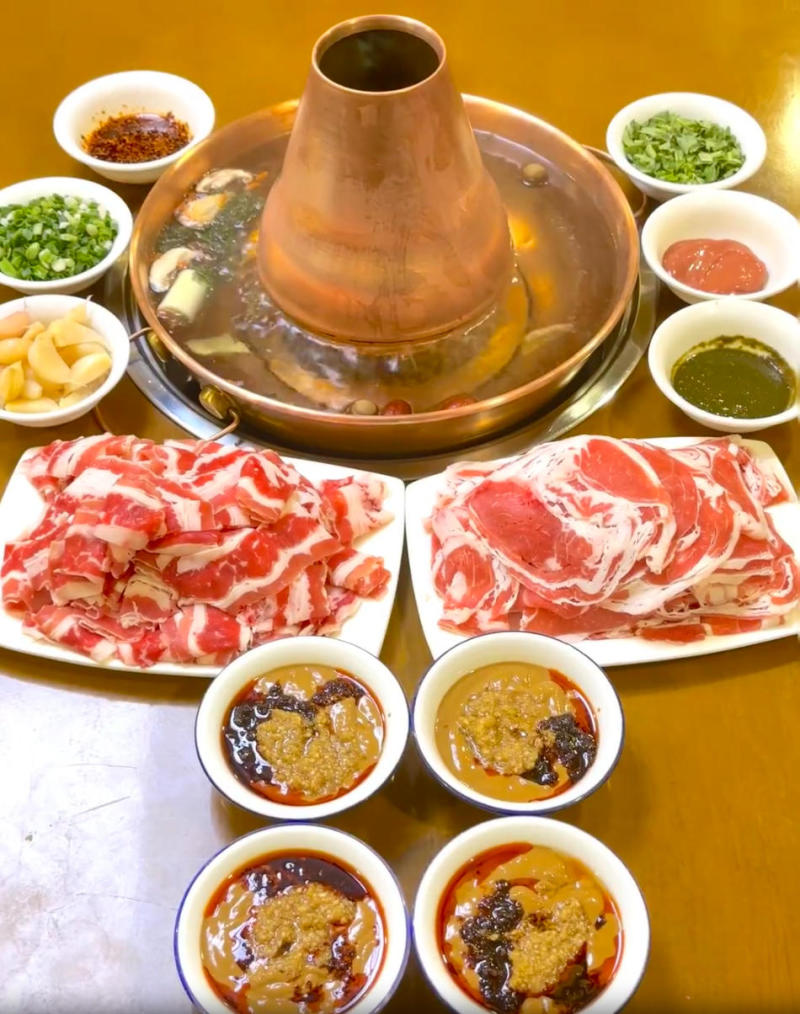
【Winter • Copper Pot Hotpot Ritual】
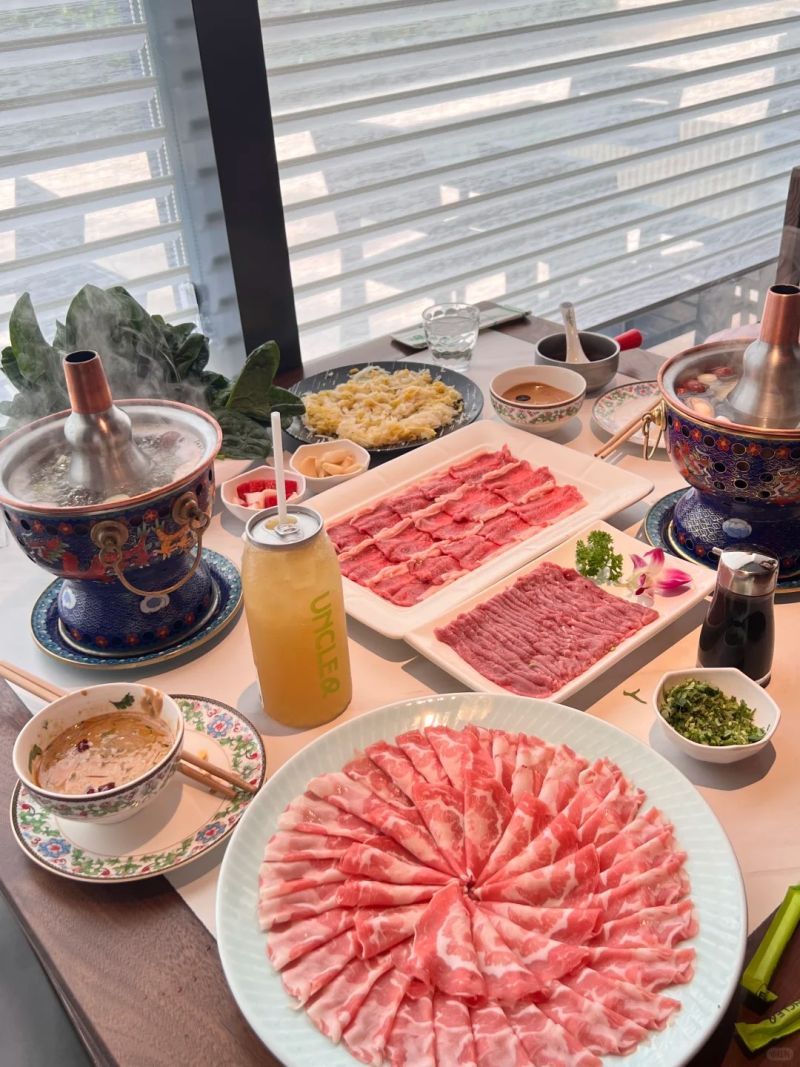
The Copper Pot Ritual – Positioning:
Highly social. Beijing friendships are all built around steaming copper pots.
The Copper Pot Ritual – Positioning: Highly social. Beijing friendships are all built around steaming copper pots.
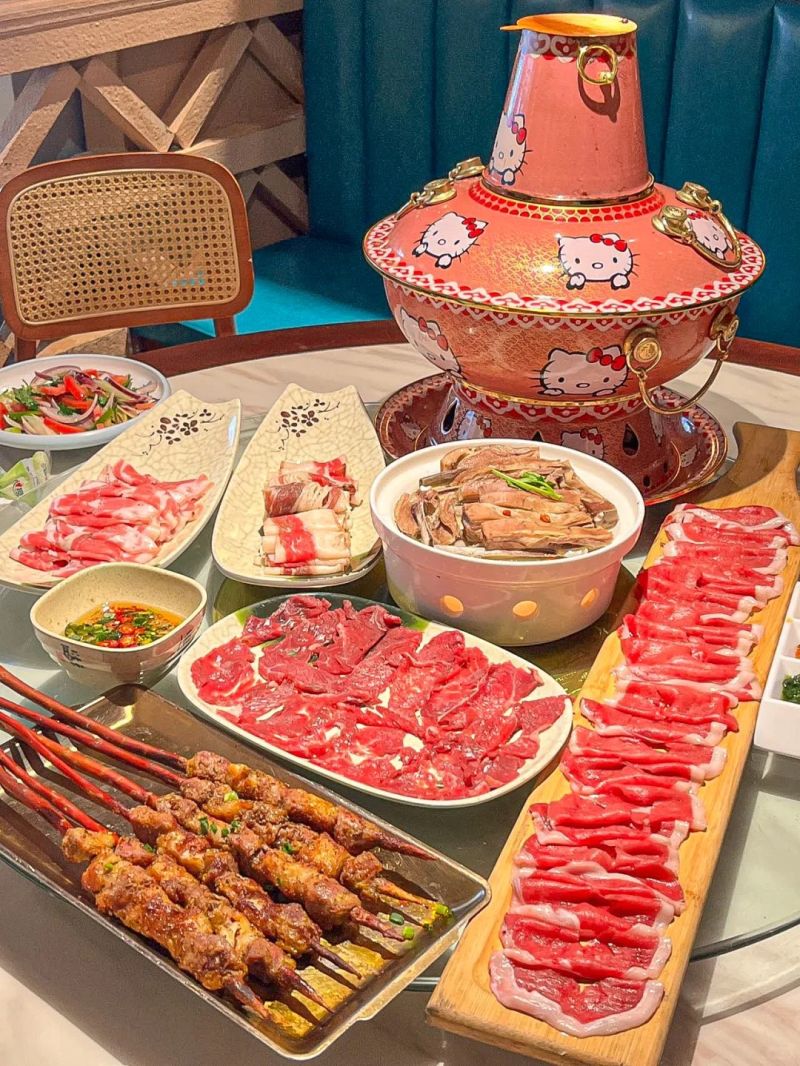
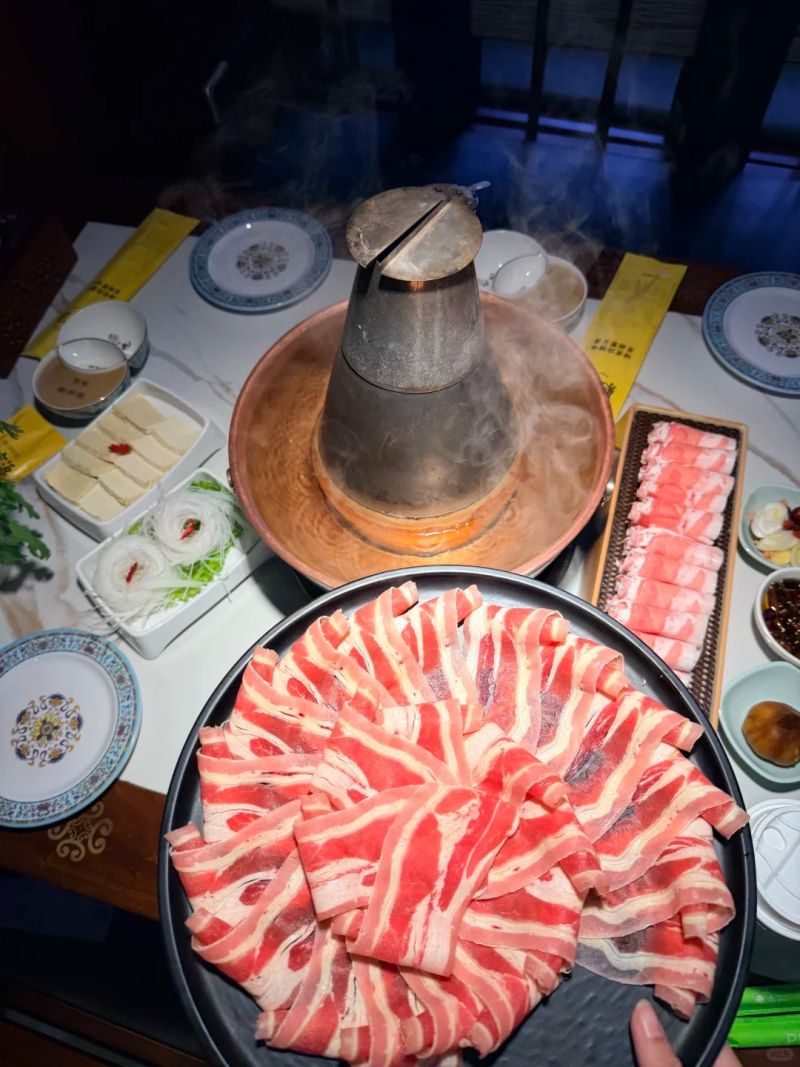
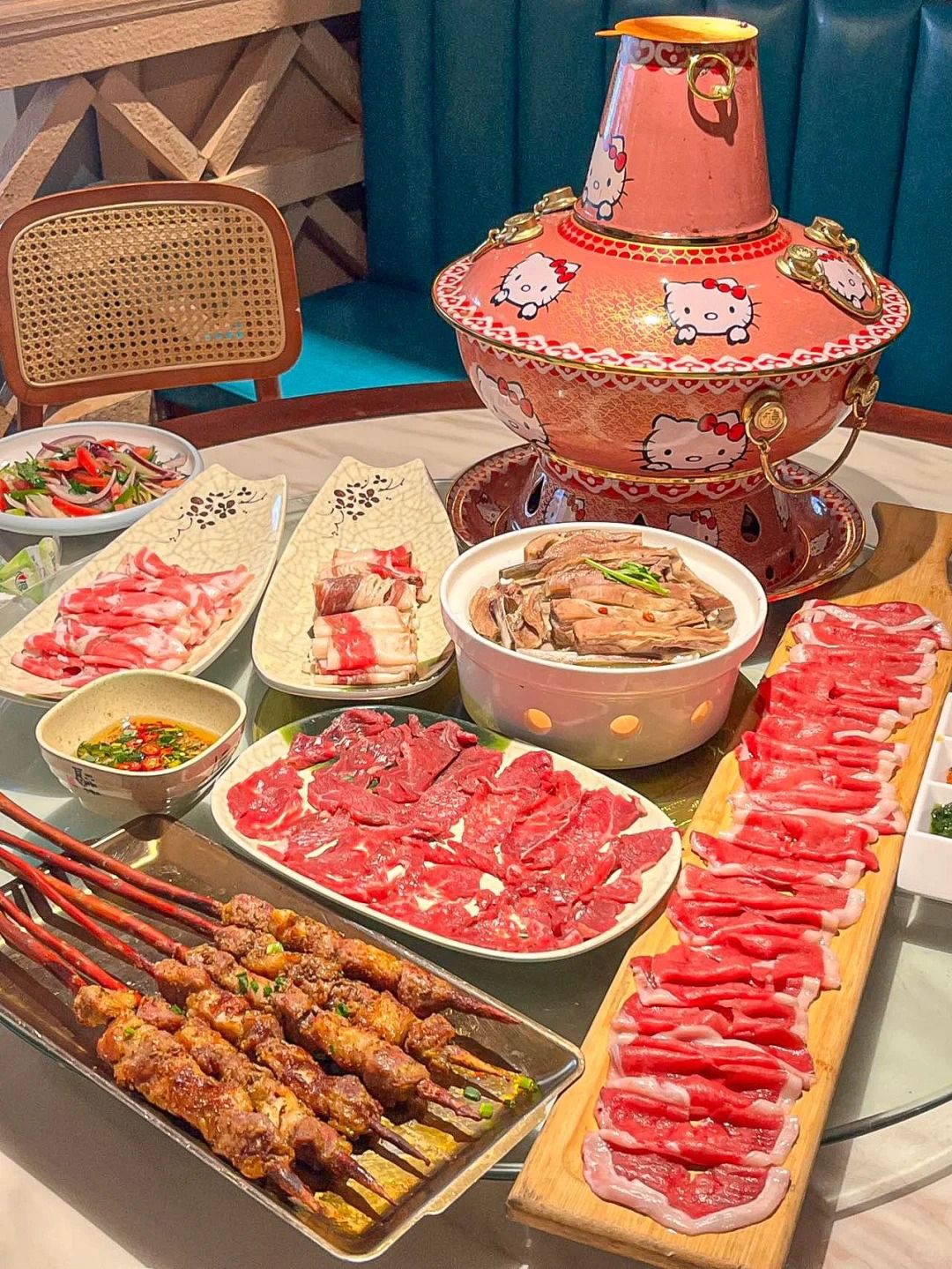
Traditional Clear-Broth Hotpot
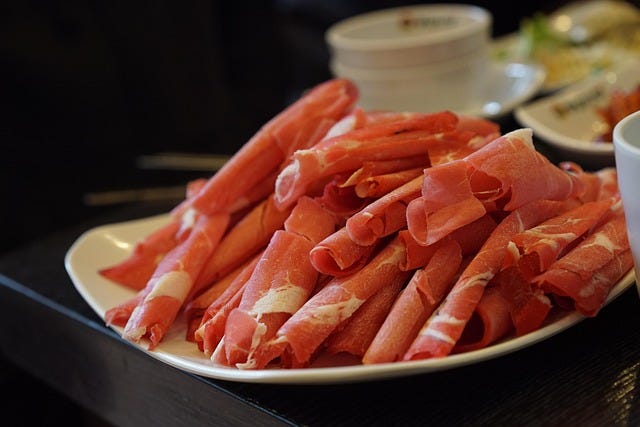
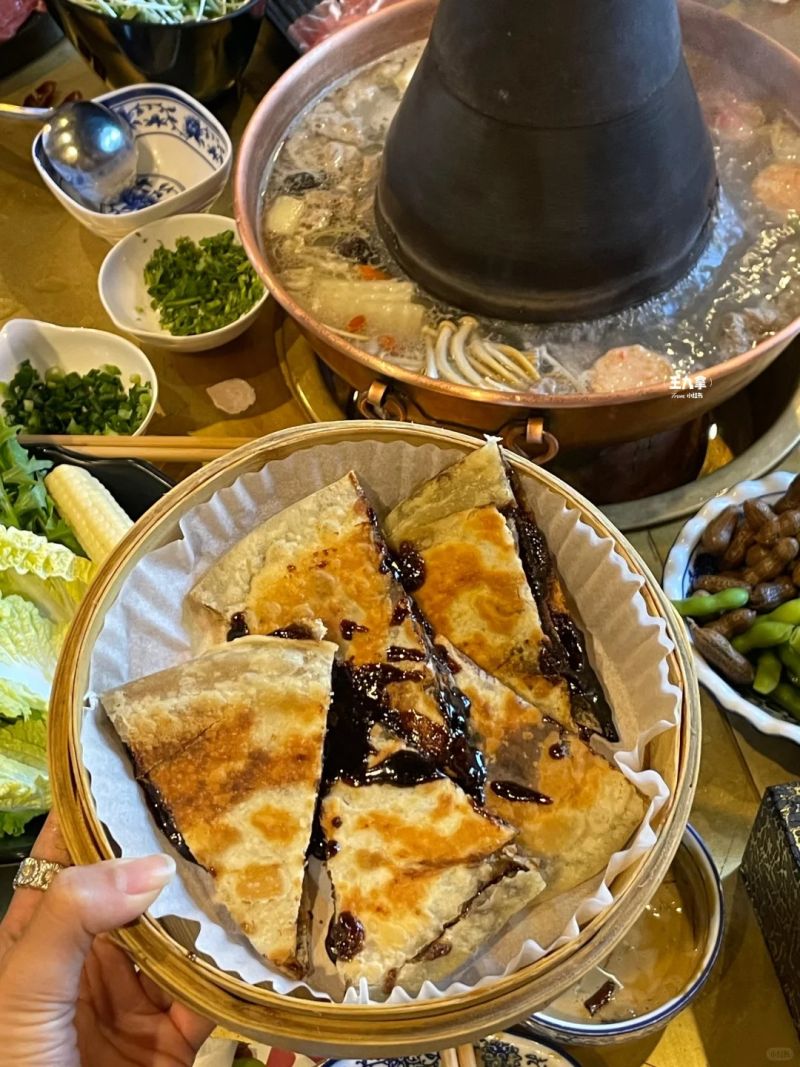
DVGO Method: It must be a charcoal-heated copper pot, and it must be plain water (at most with scallion, ginger, and shiitake). This is the only standard to test the quality of the lamb.
DVGO Method: It must be a charcoal-heated copper pot, and it must be plain water (at most with scallion, ginger, and shiitake). This is the only standard to test the quality of the lamb.
-
Ju Bao Yuan — Niujie Main Branch
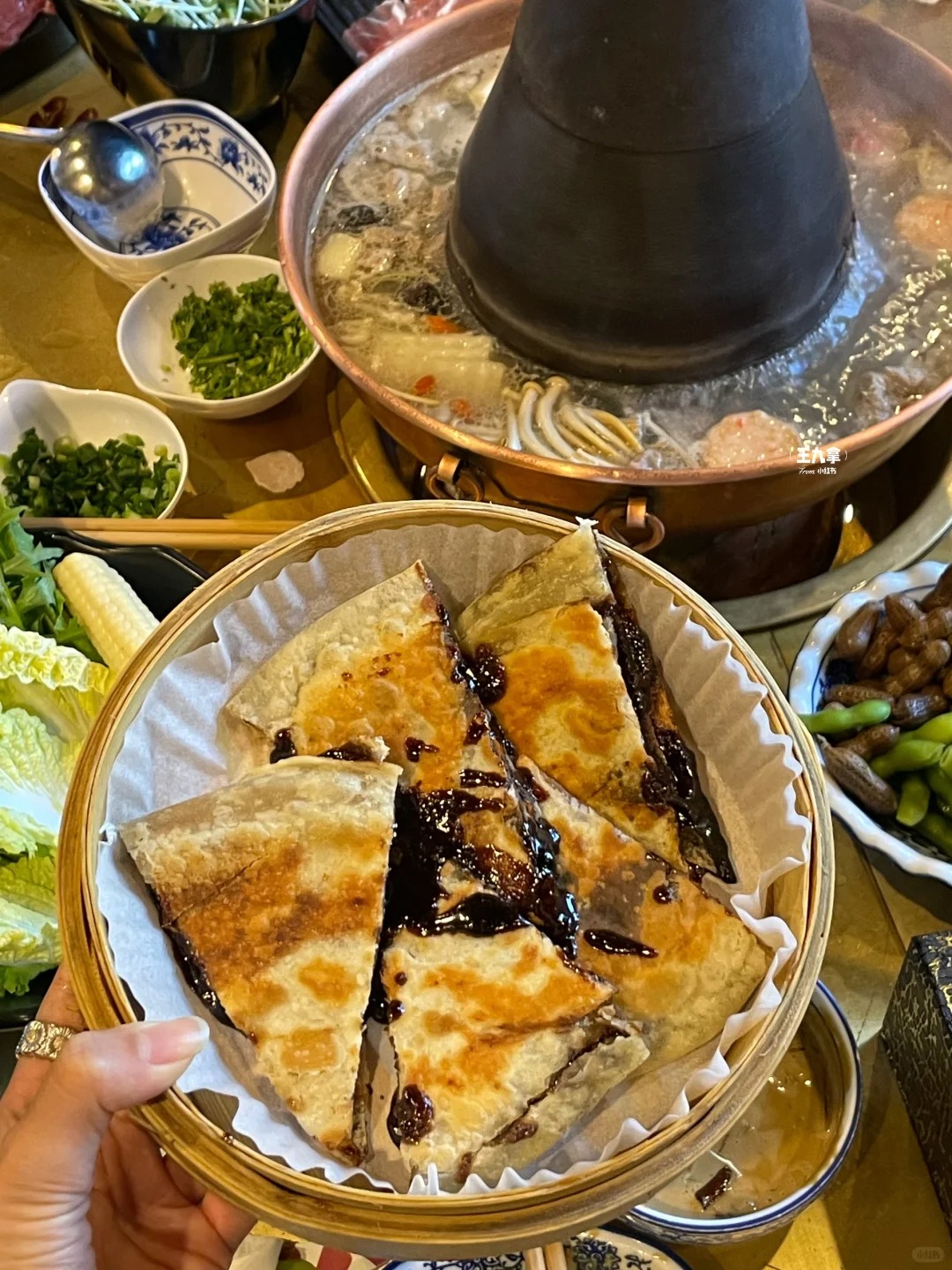
Features: The top spot in Niujie (Muslim district). Hand-sliced fresh lamb stands upright on the plate. The sesame flatbread is a must-order; many people queue just to buy a bag to take home.
-
Man Heng Ji — Another Queue King
Features: A powerhouse in Ping’anli. Excellent meat quality, fair prices. Recommended: “hind-leg lamb” and “sweet garlic” (a greasiness killer).
-
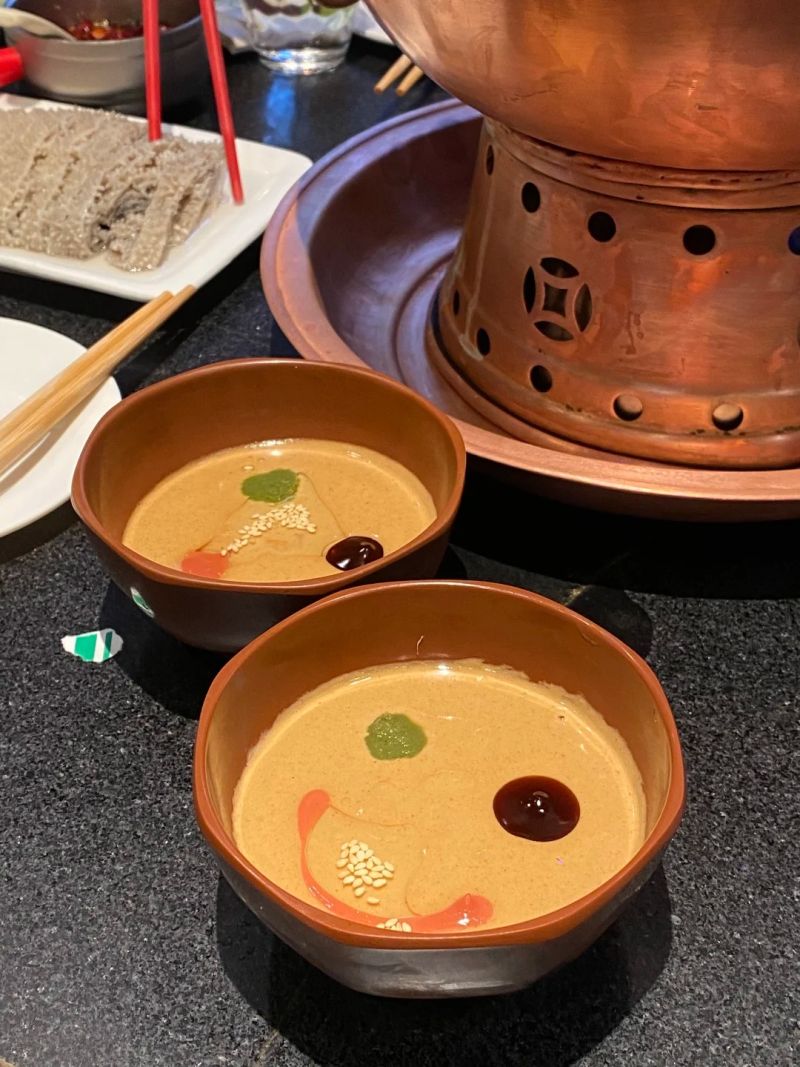
Nan Men Shuan Rou — Balance of Environment & Quality
Features: The Ritan or Houhai branches have great environments. Their dipping sauce (sesame paste) is very distinctive, with a smiley face drawn on top.
💡 Exclusive Rule: Tell guests hotpot lamb follows “seven up, eight down.” Lift the meat in thebroth 7-8 times; once it changes color, it’s ready. Never throw it in and overcook it—that’s“boiling meat,” not “shuan.”
【Hutong • Carbs & Strange Flavors】
The Hutong Soul Food – Positioning:
Cheap, authentic, and slightly challenging.
The Hutong Soul Food – Positioning: Cheap, authentic, and slightly challenging.
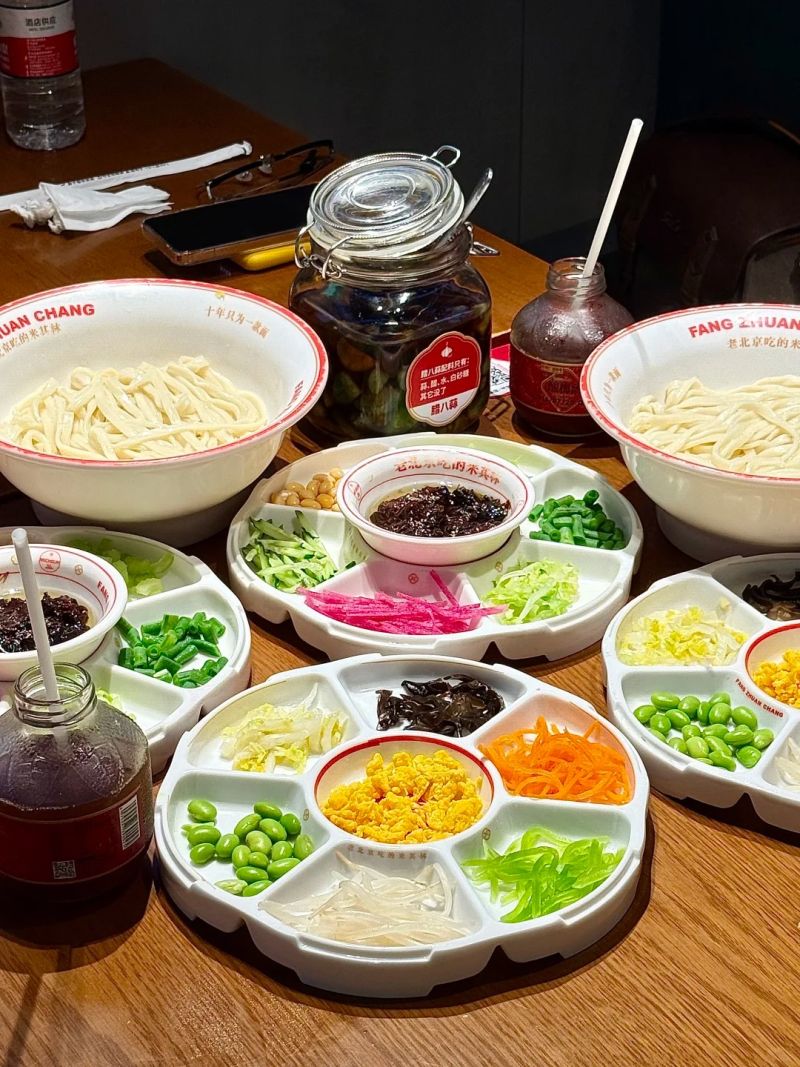
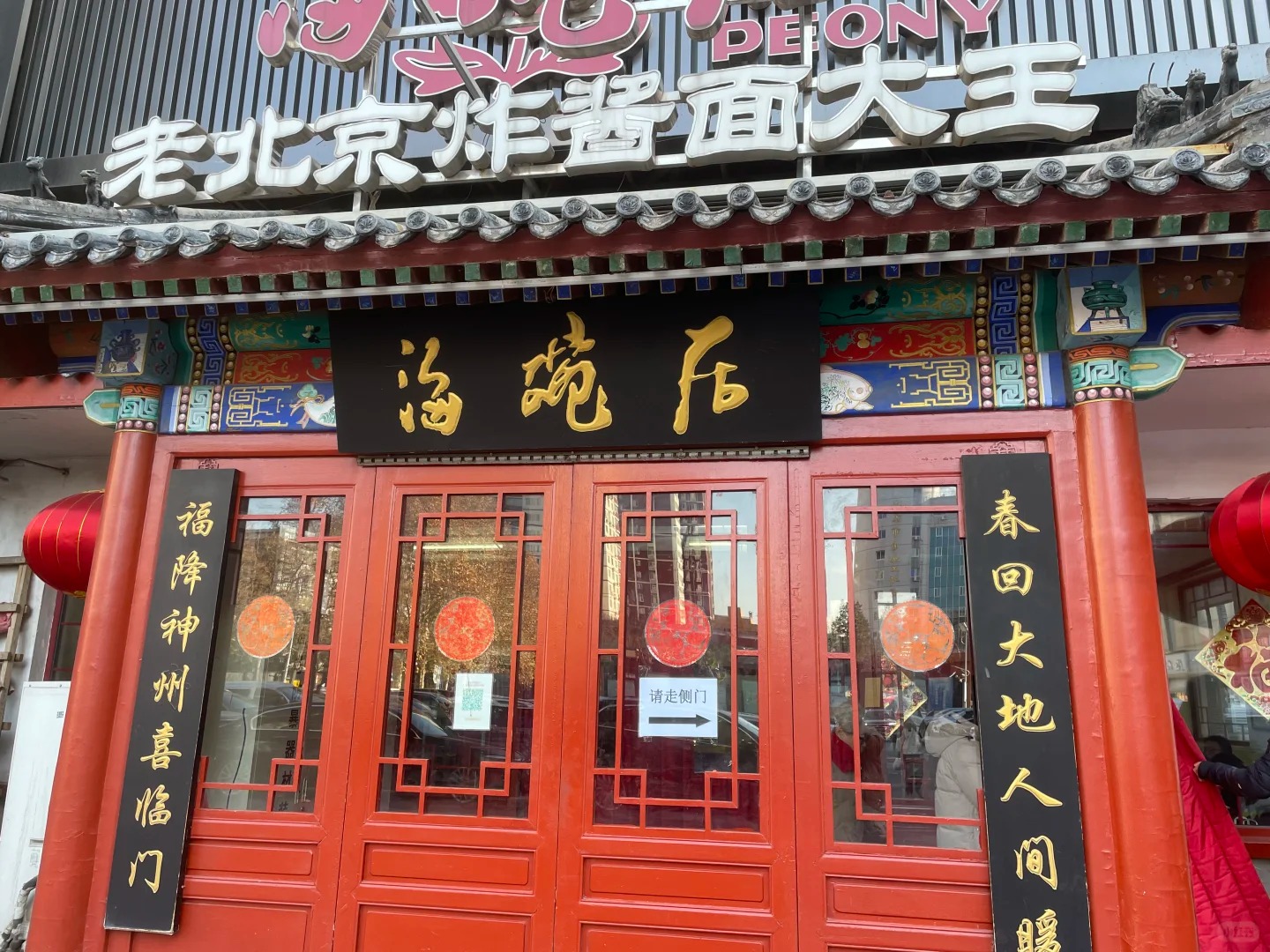
1. Zhajiangmian (Noodles with Soybean Paste)
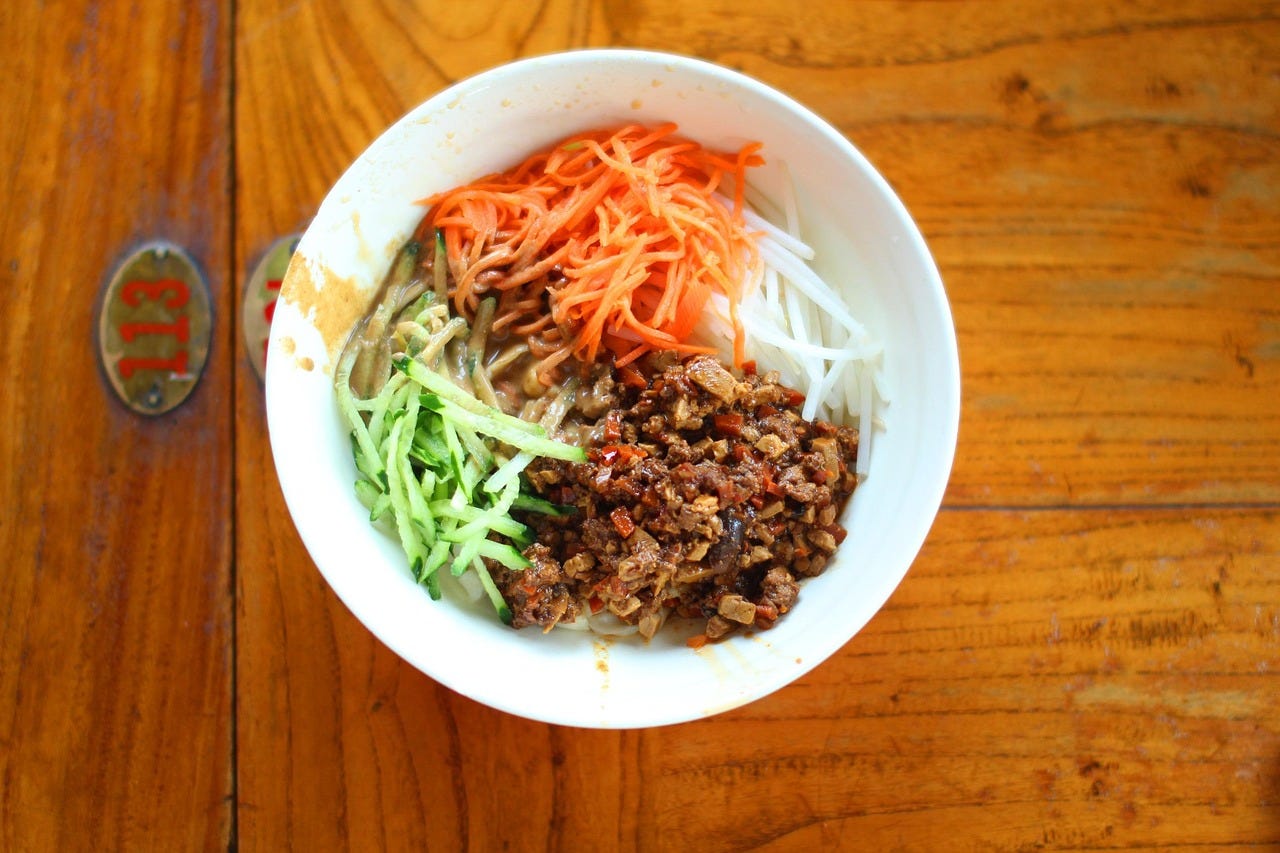
DVGO Review: The lifeline of Beijingers. To judge a good bowl, check whether the toppings are complete and whether the sauce is dry-fried in a small bowl with meat cubes.
DVGO Review: The lifeline of Beijingers. To judge a good bowl, check whether the toppings are complete and whether the sauce is dry-fried in a small bowl with meat cubes.
-
Fang Zhuan Chang No.69 Zhajiangmian — Michelin Bib Gourmand
Features: Near Nanluoguxiang, only sells noodles. Home-style flavor, large portions, good value. Must eat with raw garlic (“No garlic, half the aroma”).
-
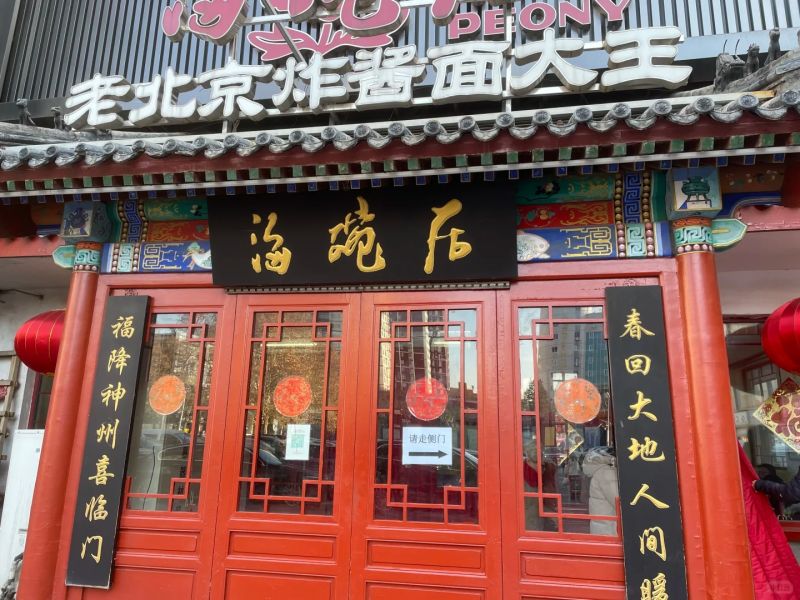
Haiwanju — Classic Chain
Features: Staff shout greetings as you enter, full of Beijing vibes. Good for guests who don’t like sitting at street stalls.
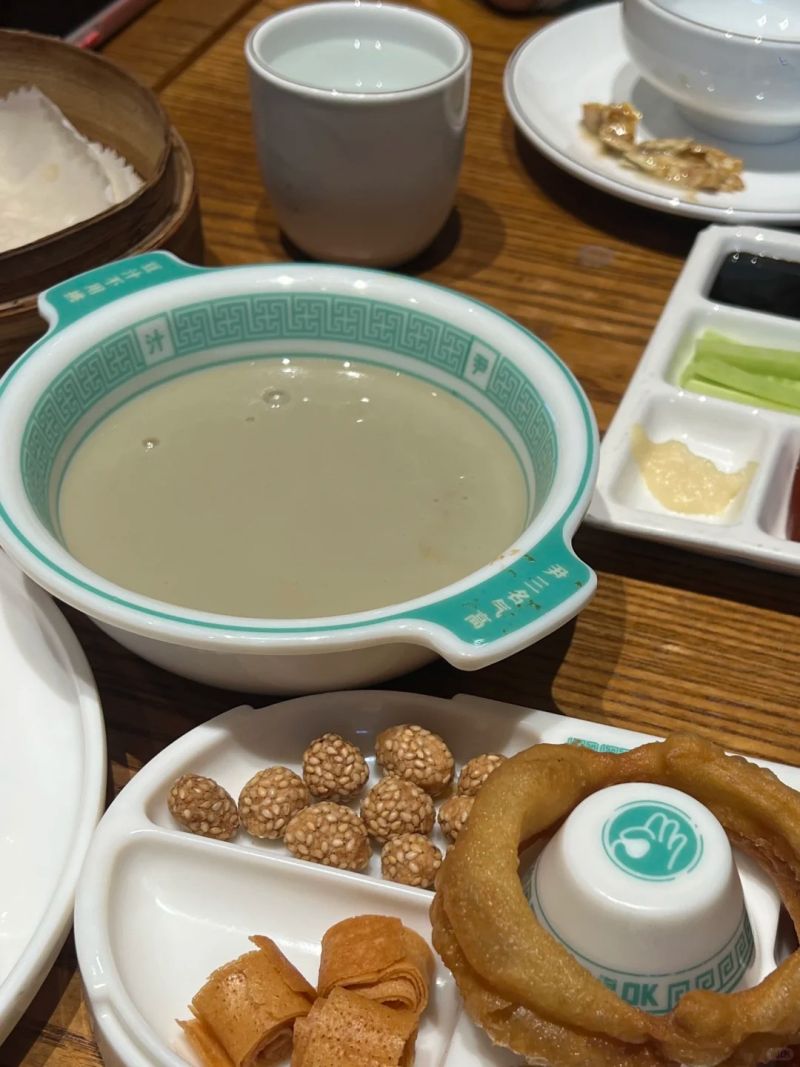
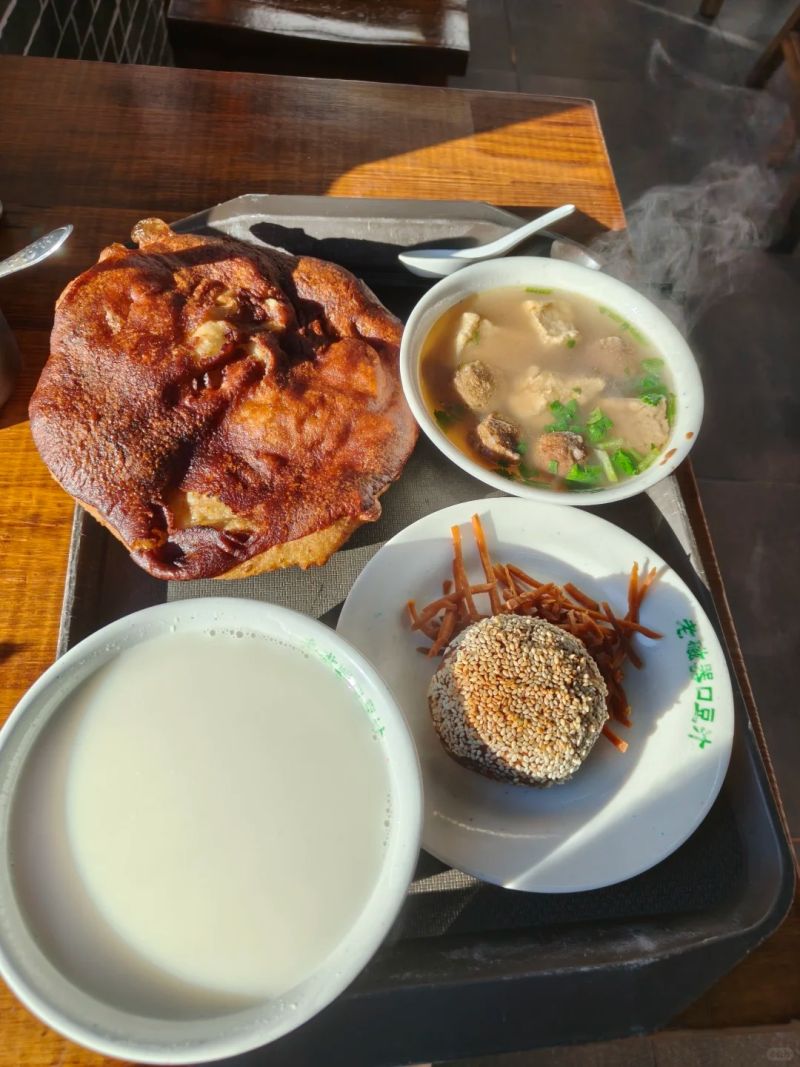
2. Douzhi (Fermented Mung Bean Drink)
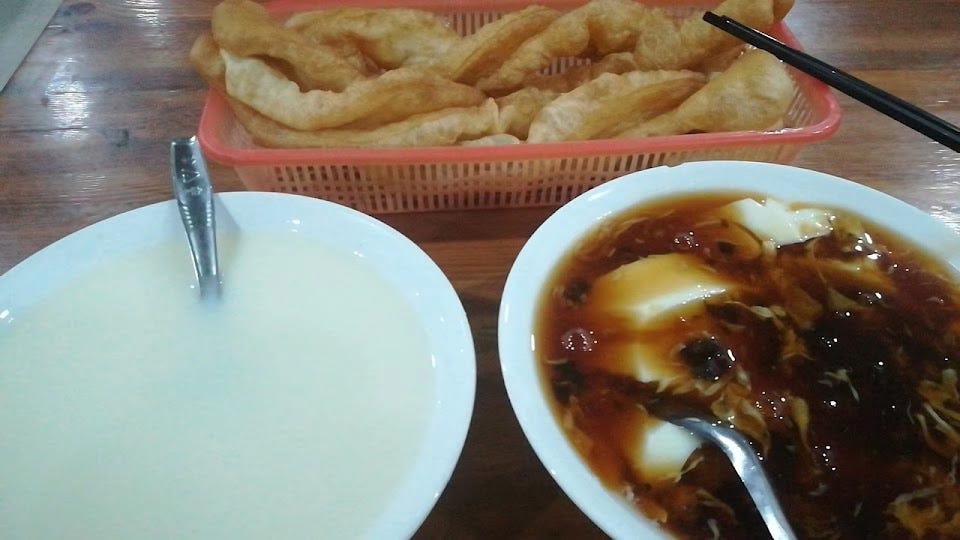
⚠️ ️High-Energy Warning: This is the “final boss” of Beijing cuisine. It tastes like sour pickled cabbage water gone bad.
Yin San Douzhi (Tiantan North Gate) or Lao Ciqikou Douzhi Shop.
💡 DVGO Advice: Don’t easily persuade outsiders (especially foreigners) to drink douzhi—it canruin friendships. If they insist, it must be paired with jiaoquan (fried dough rings) and pickled vegetables to suppress the sourness.
【Scholars • Official Cuisine & Artistic Ambience】
The Imperial Courtyard Dining – Positioning:
You eat for the environment and savor the culture. Ideal for business dinners or couples.
The Imperial Courtyard Dining – Positioning: You eat for the environment and savor the culture. Ideal for business dinners or couples.
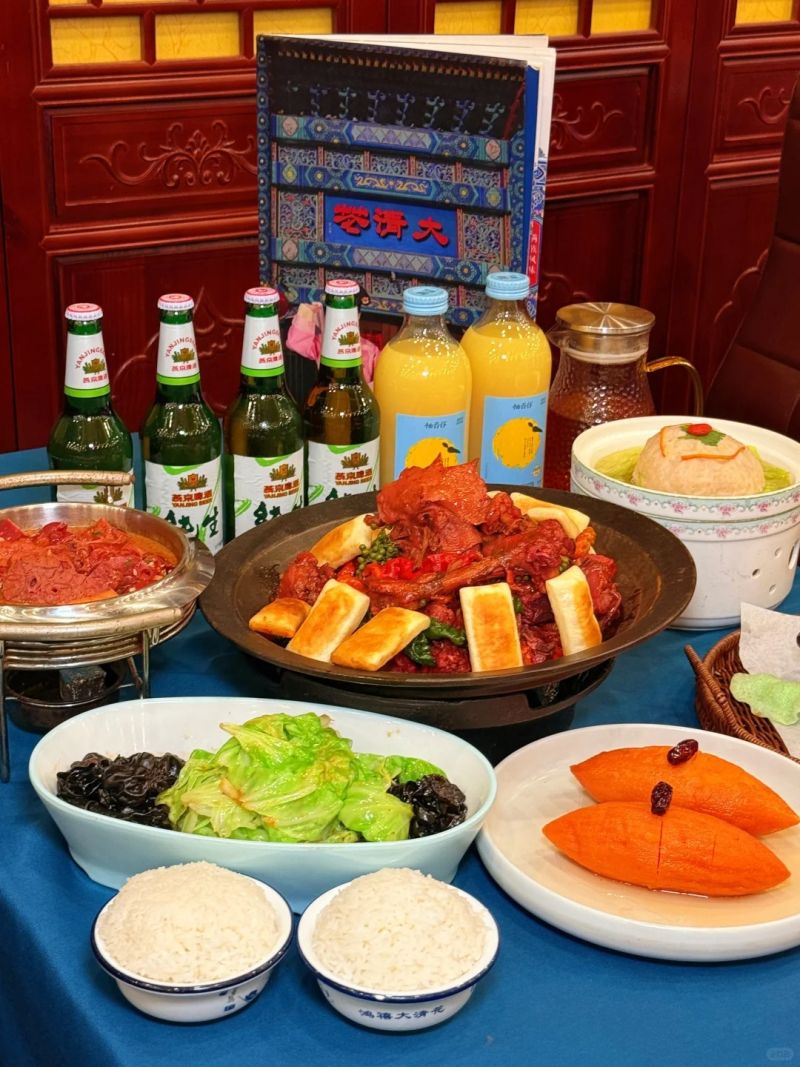
1. Manchu Official Cuisine
Consultant Review: Originated from Qing Dynasty prince family banquets—more grounded than palace cuisine, but more refined than home cooking.
Consultant Review: Originated from Qing Dynasty prince family banquets—more grounded than palace cuisine, but more refined than home cooking.
-
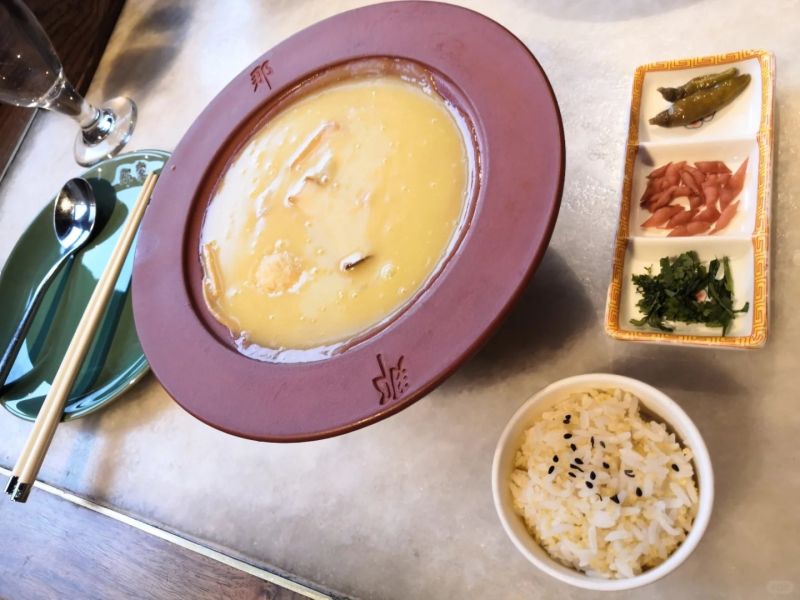
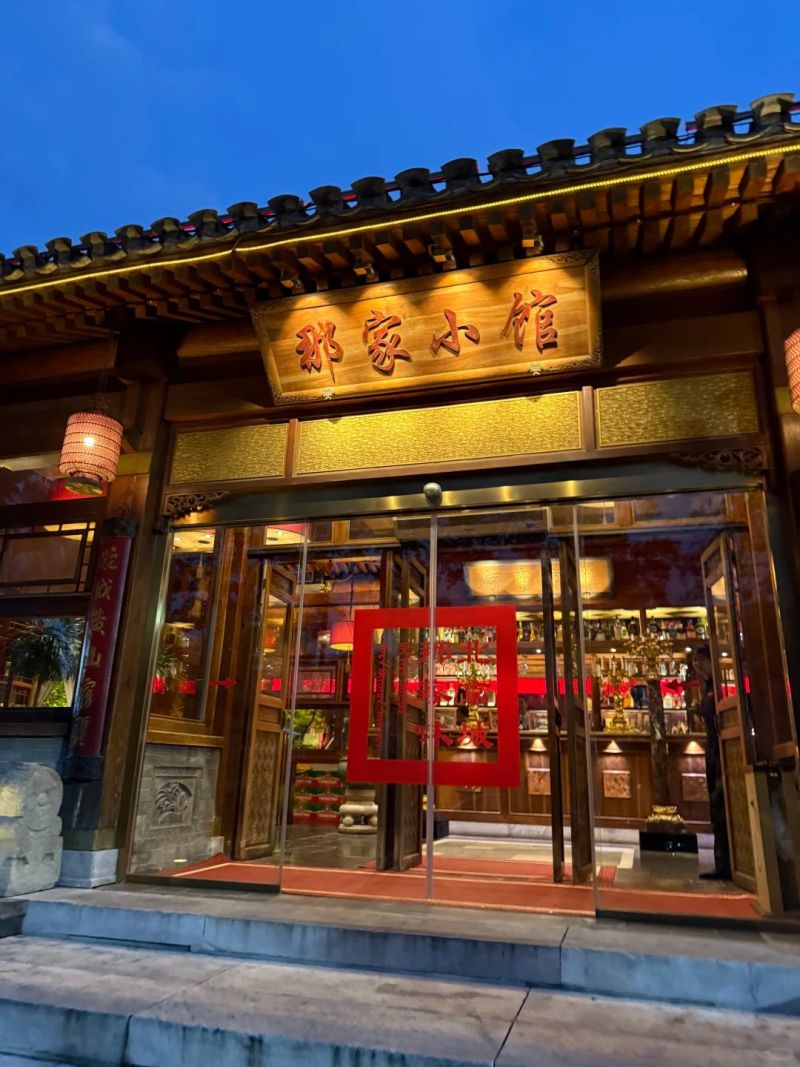
Najia Xiaoguan — Yong’anli Branch
Features: Antique-style décor, servers wear qipao. Signature dish “Huang Tan Zi” (a rich soup, amazing with rice) is a must-order. Moderate prices, very presentable.
2. Modern Beijing Cuisine
-
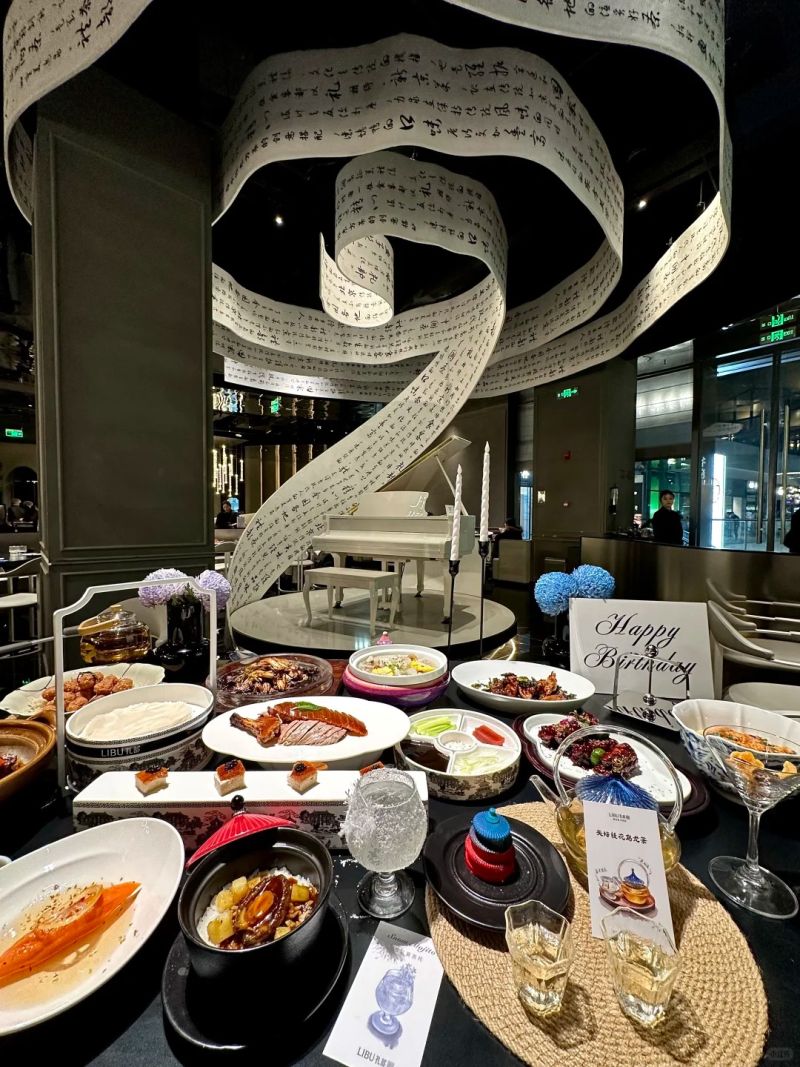
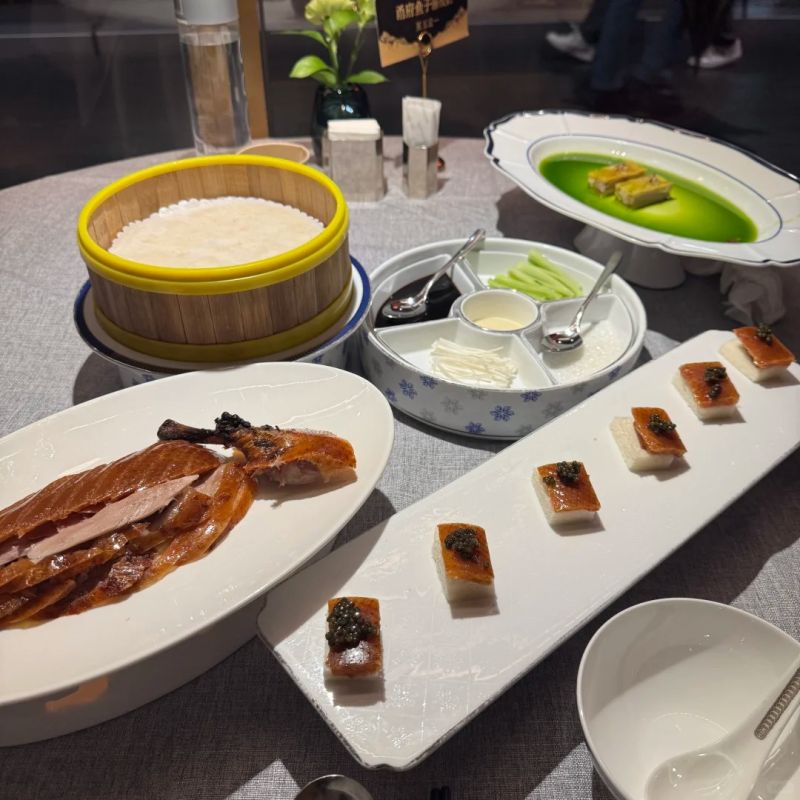
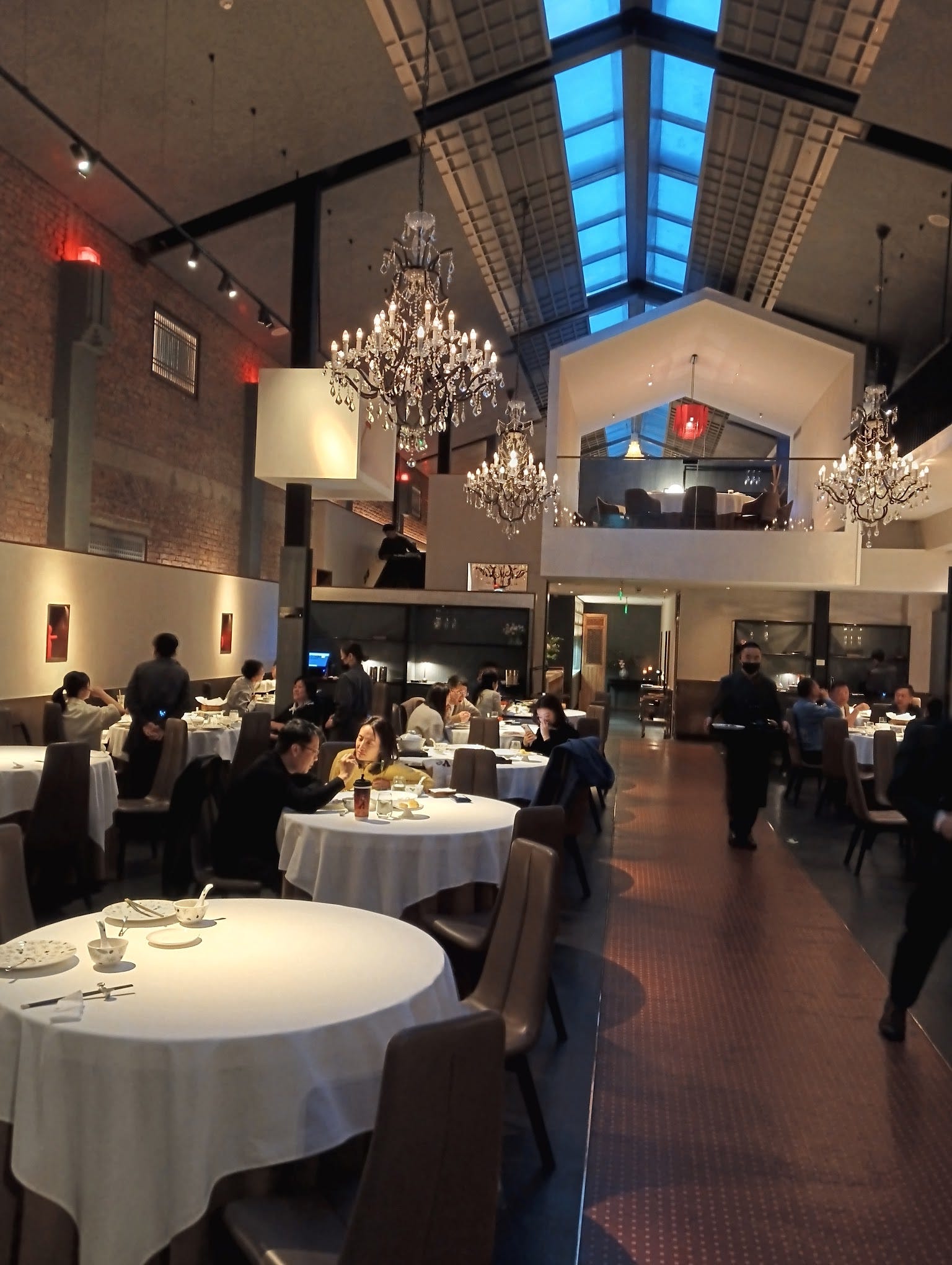
Poetry Wine (Shijiu) — Michelin One Star
Features: The famous place that serves “duck skin with caviar.” Artistic industrial-style environment. Turns Beijing flavors into something very fashionable—great for younger diners.
📝 DVGO’s “Beiping Survival Guide”
-
About Sesame Paste: Beijingers dip everything in sesame paste—hotpot, tripe, even liangpi. If guests are allergic to peanuts or sesame, be extremely cautious.
About Sesame Paste: Beijingers dip everything in sesame paste—hotpot, tripe, even liangpi. If guests are allergic to peanuts or sesame, be extremely cautious. -
About Service Attitude: In many state-owned old restaurants, staff may act like grumpy uncles. This is jokingly called the “immersive state-owned vibe experience.” Tell guests not to mind—it’s part of the local vibe.
About Service Attitude: In many state-owned old restaurants, staff may act like grumpy uncles. This is jokingly called the “immersive state-owned vibe experience.” Tell guests not to mind—it’s part of the local vibe. -
About Reservations: Siji Minfu (Forbidden City branch) does not accept reservations—only on-site queues. Go before 10:30 a.m. or 4:00 p.m.
About Reservations: Siji Minfu (Forbidden City branch) does not accept reservations—only on-site queues. Go before 10:30 a.m. or 4:00 p.m.
Foreigner Tips:
-
Bone-in Meat: Remind them that Chinese chicken and ribs are usually chopped with bones. Be careful with teeth.
Bone-in Meat: Remind them that Chinese chicken and ribs are usually chopped with bones. Be careful with teeth. -
Hot Water: The default drink served is usually hot water. If they want cold water, they must ask for “Ice Water” (many small shops don’t have it).
Hot Water: The default drink served is usually hot water. If they want cold water, they must ask for “Ice Water” (many small shops don’t have it).