

A City Where Great Food Doesn’t Have to Be Expensive
When people hear “Michelin,” they often think of white tablecloths, tasting menus, and meals saved for anniversaries.
Shanghai quietly disagrees.
Here, Michelin recognition often lands not on luxury, but on consistency — places that locals return to week after week, sometimes for decades. In this city, good food isn’t rare. It’s simply expected.
To understand Shanghai’s food culture, you don’t start with the most expensive restaurant in town.
You start with the places where ordinary meals happen to be extraordinary.
Shanghai’s Secret: Michelin as Daily Life
Shanghai’s relationship with food has always been pragmatic.
As a city shaped by migration, trade, and early globalization, it never clung to a single “pure” cuisine. Instead, it absorbed everything — Jiangnan flavors, regional Chinese cooking, Western techniques — and filtered them through one core principle:
Food should be satisfying, efficient, and repeatable.
That’s why some of the most meaningful Michelin-recognized meals in Shanghai cost less than ¥100, and why noodle shops and small dining rooms coexist comfortably with one-star restaurants.
Where Shanghai Locals Actually Sit Down
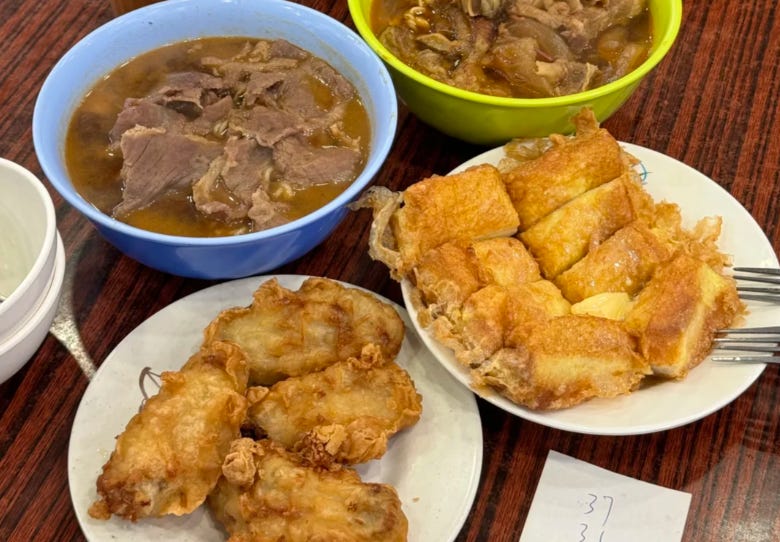
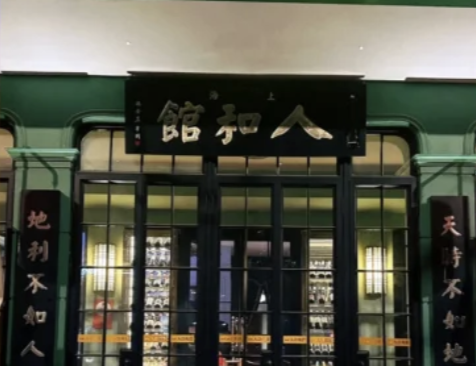
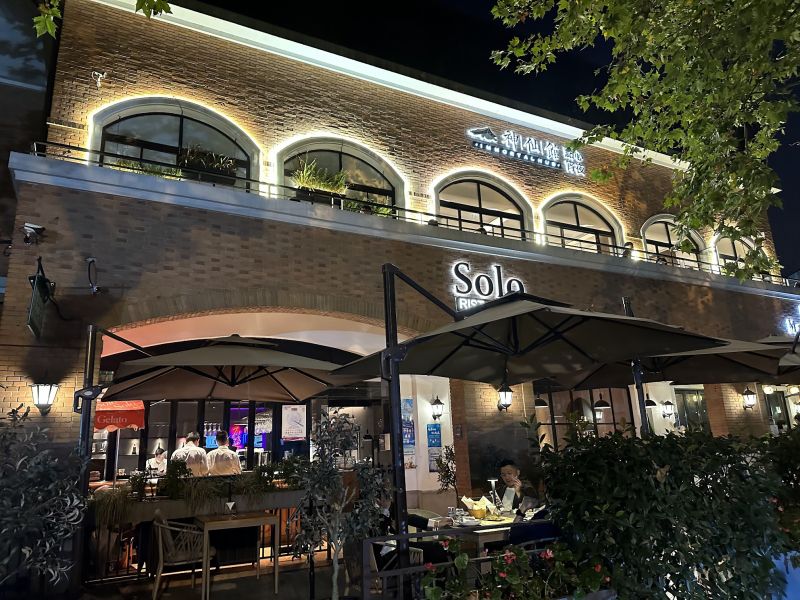
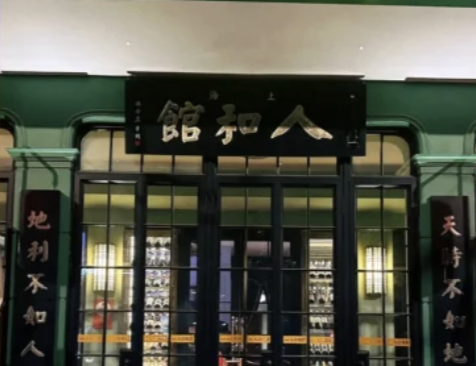
On Zhaojiabang Road, Ren He Guan represents what modern Shanghainese cooking has become. Its dishes are thoughtful and composed, clearly aware of tradition but not bound by nostalgia. It’s the kind of place you choose when you want to eat well without making a statement — calm flavors, polished service, nothing excessive.
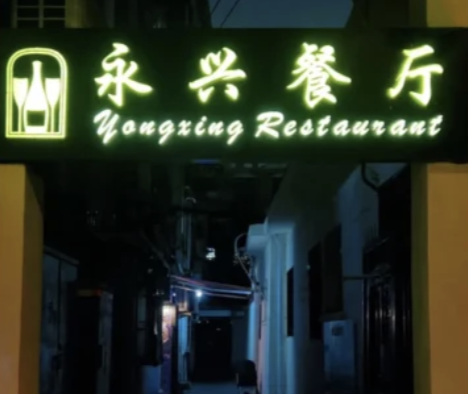
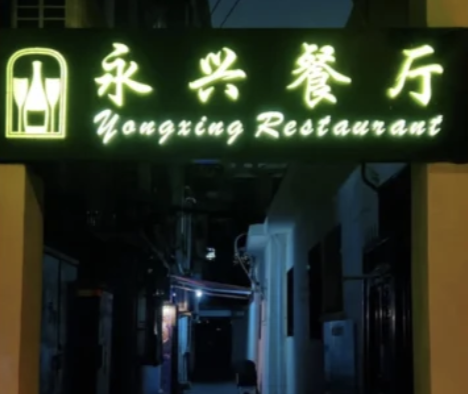
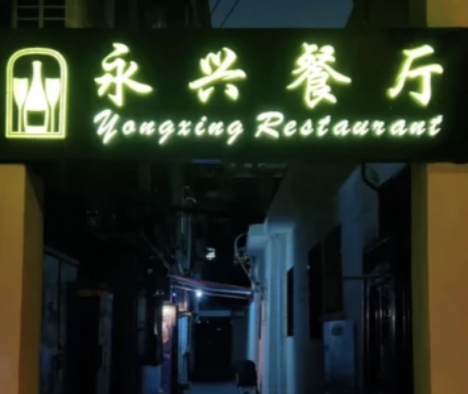
Just a few subway stops away, the mood shifts completely at Yong Xing Restaurant. This is unapologetically old-school Shanghai food: generous portions, bold aromas, and prices that feel almost out of time. The duck rolls arrive fragrant and abundant, reminding you that “Michelin” here doesn’t mean smaller plates — it often means better ones.
Noodles, the Shanghai Way
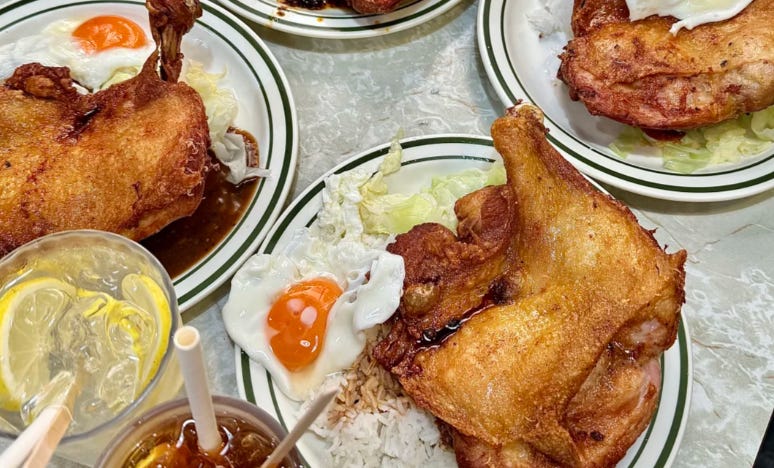
If there’s one category Shanghai takes personally, it’s noodles.
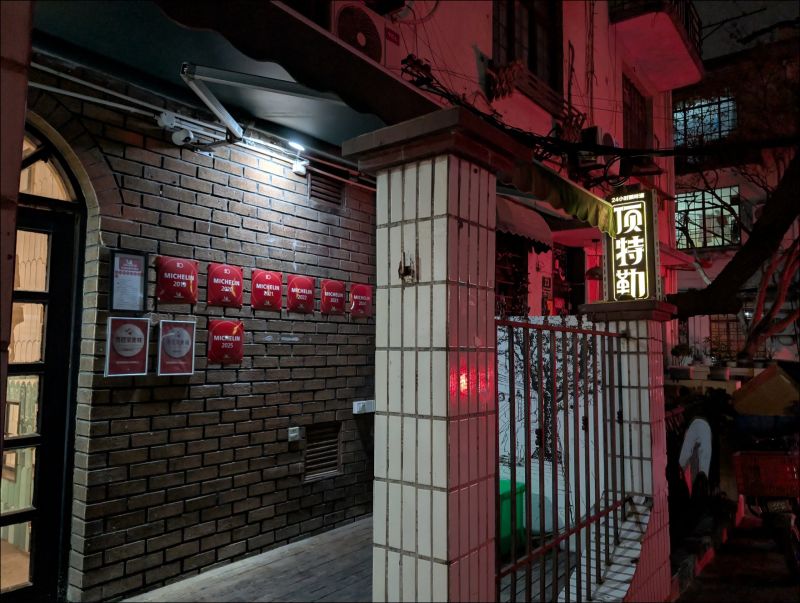
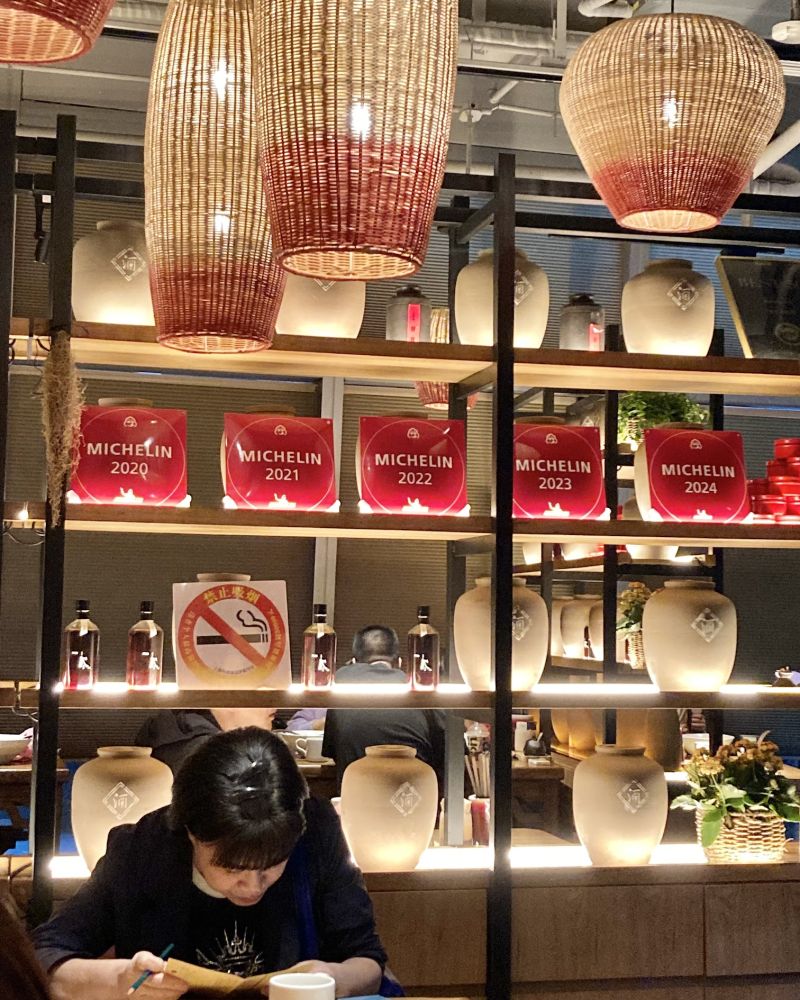
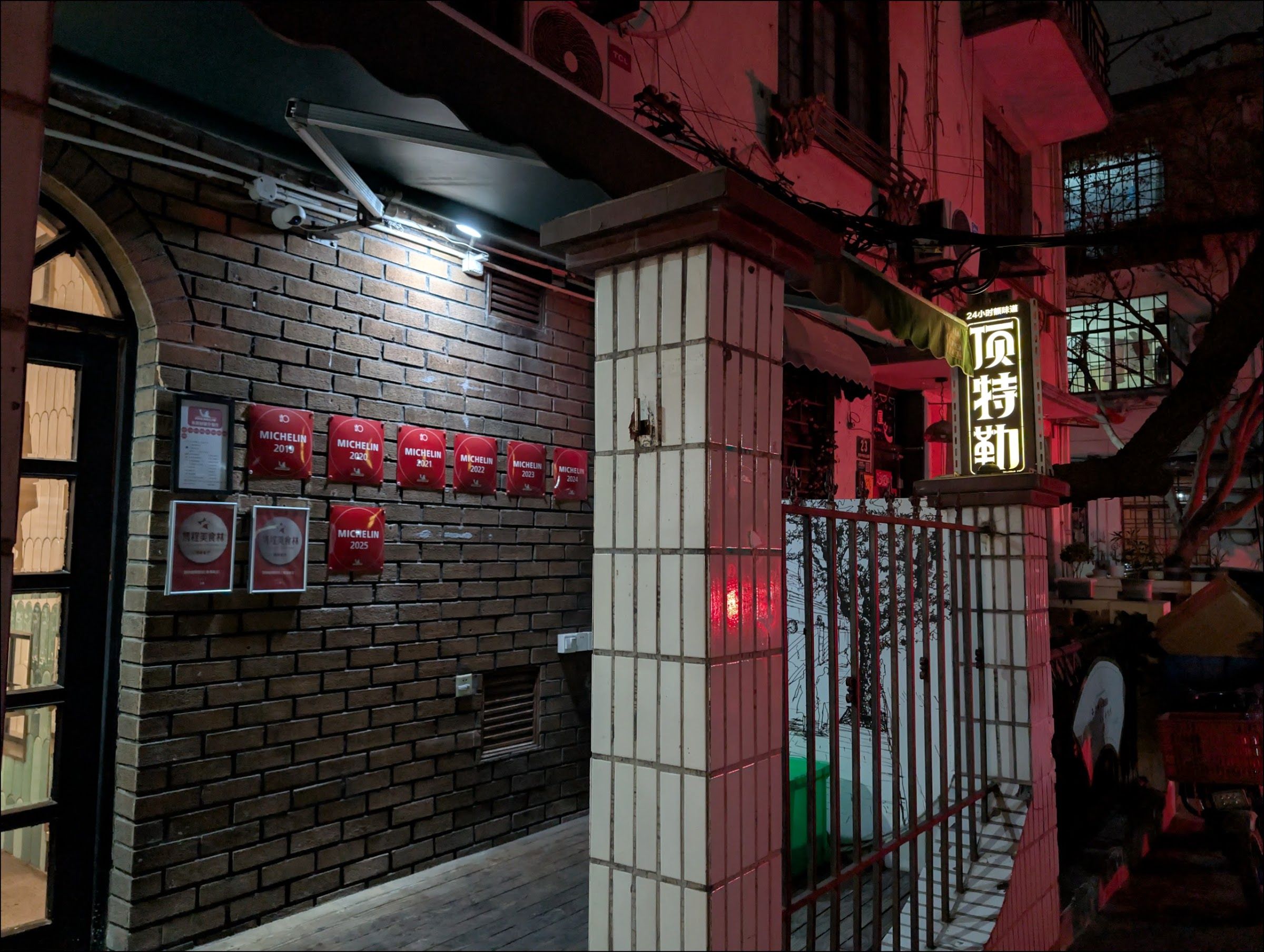
At J. Ding Te Le Porridge & Noodles, people come for one reason: yellow croaker noodles that have stayed Michelin-recommended for eight consecutive years. The broth is clear but deeply savory, the fish tender and clean. Locals know the trick — finish the noodles, then ask for more soup.
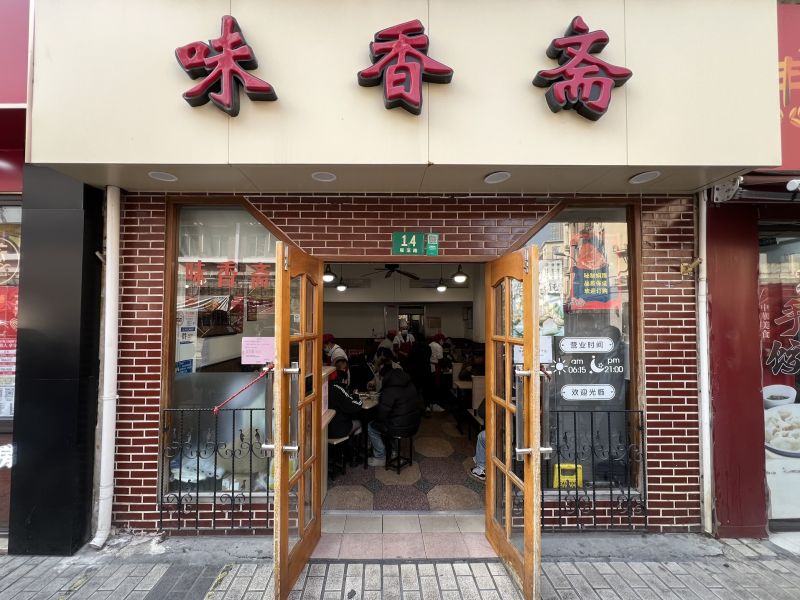
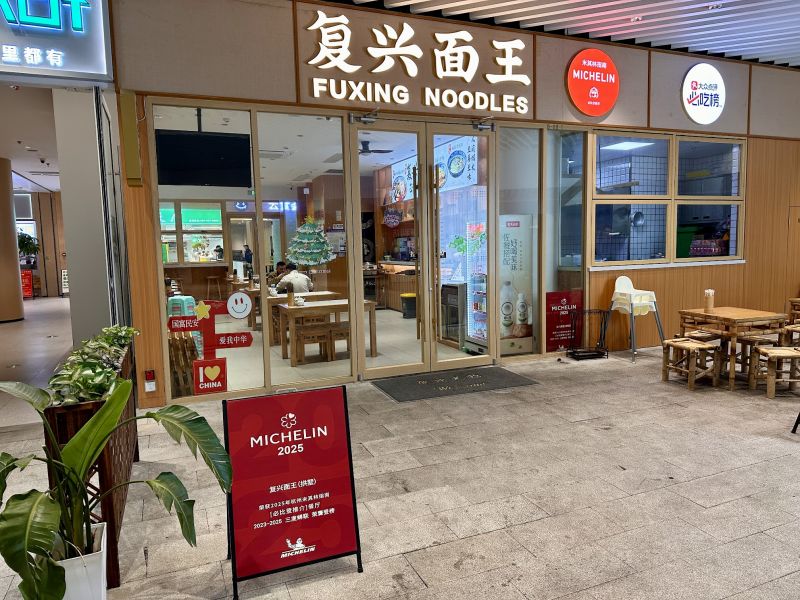
Elsewhere, places like Wei Xiang Zhai and Fuxing Noodle King quietly redefine what “Michelin-level” can mean. For the price of a coffee, you get sesame noodles with glossy sauce and scallion fragrance, or tomato-mixed noodles that somehow balance acidity, sweetness, and umami perfectly. These are not “cheap eats” as a concept — they are simply how Shanghai eats.
When Tradition Feels Complete
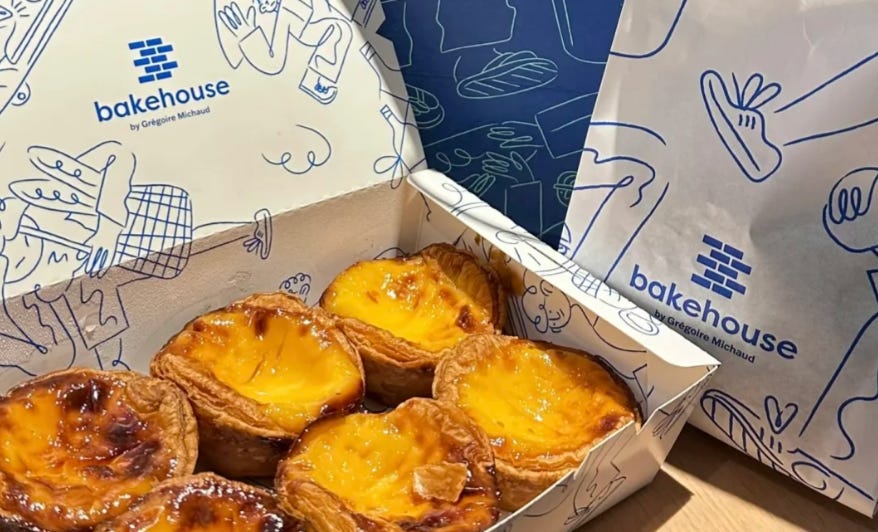
Some restaurants feel less like meals and more like punctuation marks in the city’s culinary sentence.
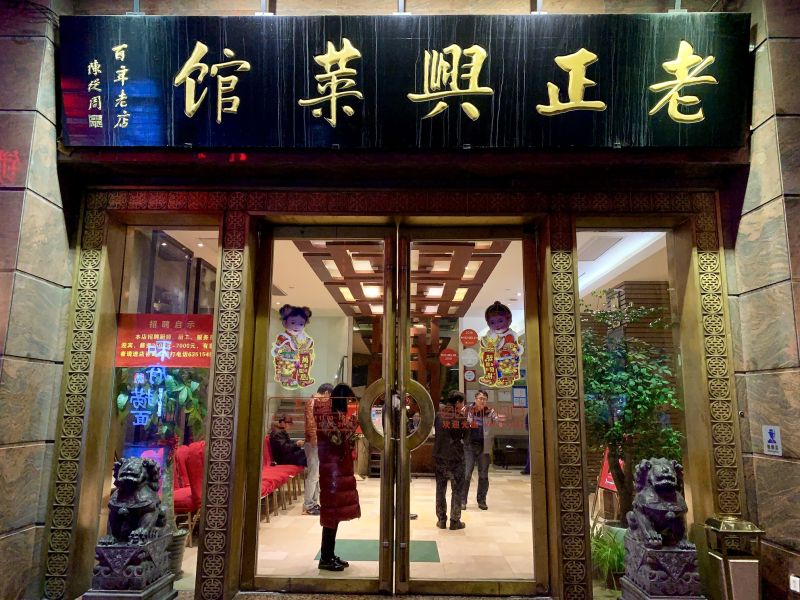
Lao Zheng Xing is one of them. With a Michelin star and decades of history, it remains a gathering place for family dinners and business meals alike. The eel with hot oil arrives sizzling, peppery, and precisely sweet — a dish that hasn’t needed reinvention because it was right the first time.
Nearby, Hao Sheng Restaurant offers something like a Benbang omakase: a sequence of Shanghainese dishes that build gently, one after another. It’s deeply comforting, carefully paced, and surprisingly affordable for the experience.
When Michelin Is Just a Signpost
What all these places share is not a style or a price point, but a mindset.
Shanghai’s affordable Michelin restaurants are not destinations — they’re markers of reliability. They tell you:
If you sit here, you’ll eat well. No performance required.
That’s why this city feels so easy to dine in once you stop chasing “the best” and start trusting “the steady.”
Final Thought
In Shanghai, Michelin doesn’t elevate food above daily life.
It quietly confirms what locals already know.
Great meals don’t need an occasion.
They don’t need explanation.
They just need a table.
If you eat the way Shanghai eats — often, calmly, without ceremony —
you’ll understand the city faster than any guidebook ever could.