-
More Blogs

-
China Tourism Is Entering a New Growth Cycle: 3 Industry Trends Travel Businesses Cannot Ignore
China Tourism Is Entering a New Growth Cycle: 3 Industry Trends Travel Businesses Cannot Ignore
 Apr 1, 2026
Introduction: China’s Tourism Market Is Entering a New Phase
China’s tourism industry is experiencing a strong comeback, but the recovery is not simply a return to pre-pandemic patterns. According to research released by the China Tourism Academy, the industry is entering a new stage defined by structural upgrades, evolving traveler expectations, and rapid technological adoption.
The latest China Travel Service Industry Development Report highlights a key shift: tourism growth is now driven not only by increased travel demand but also by changes in how travel services are delivered. Digital tools, policy support for international visitors, and the rising demand for meaningful experiences are reshaping the competitive landscape for travel businesses.
International arrivals are gradually increasing, business events are regaining momentum, and travelers are becoming more selective about the services they choose. Traditional models built on manual planning, generic itineraries, and fragmented local services are finding it harder to keep up with these new expectations.
For travel advisors, destination management companies, and corporate travel planners, the key challenge today is understanding how to adapt. Businesses that respond quickly to emerging trends will be better positioned to capture the next wave of growth in China’s tourism market.
Three major industry trends are particularly important for travel professionals looking to stay competitive.

Trend 1: Artificial Intelligence Is Transforming Travel Operations
Artificial intelligence is rapidly becoming a core component of modern travel operations. Tasks that previously required hours of manual work can now be completed in minutes with the help of intelligent planning systems.
For many travel businesses, itinerary design remains one of the most labor-intensive parts of the workflow. Creating customized travel proposals often involves researching destinations, coordinating transportation, checking hotel availability, and formatting proposals for clients. When multiple inquiries arrive simultaneously, the process can become time-consuming and inefficient.
AI technologies are beginning to change this dynamic by introducing automation across several key areas.
First, AI can significantly accelerate itinerary creation. Intelligent planning tools can generate structured travel routes based on traveler preferences, trip duration, and destination highlights. Instead of building each itinerary from scratch, travel advisors can review and refine AI-generated plans, allowing them to focus more on personalization rather than repetitive research.
Second, AI helps scale proposal generation. During peak travel seasons or major industry events, agencies often receive a surge of inquiries. Preparing detailed travel proposals for every potential client can overwhelm operational teams. AI-driven systems can automatically generate formatted travel proposals, enabling agencies to respond faster and handle higher volumes of requests without expanding staff.
Third, AI supports real-time travel optimization. Travel plans often require adjustments due to schedule changes, transportation delays, or evolving client preferences. AI-enabled platforms allow travel advisors to modify itineraries quickly, ensuring that travel experiences remain smooth and well coordinated.
For example, during large international events such as the Canton Fair, travel advisors frequently manage dozens of inbound inquiries from overseas buyers and corporate delegations. AI-assisted itinerary tools enable agencies to produce customized travel plans quickly, helping them respond faster and maintain a professional service standard.
In this context, AI is no longer simply a productivity tool. It is gradually becoming the operational infrastructure that supports modern travel businesses.
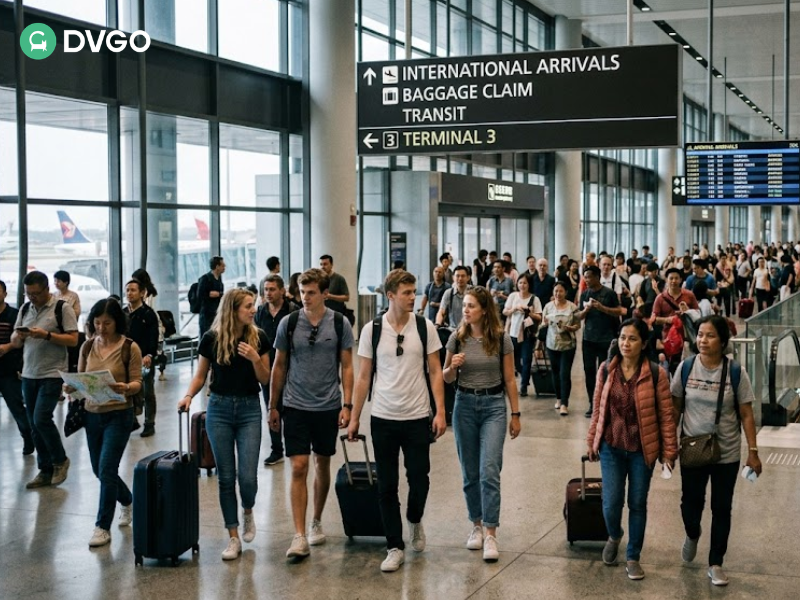
Trend 2: The Rapid Growth of Inbound and Corporate Travel
Another important trend highlighted in the report from the China Tourism Academy is the strong rebound of inbound tourism and corporate travel.
Several factors are contributing to this growth.
One major driver is the gradual expansion of visa-free policies and simplified travel procedures for international visitors. These policy adjustments are making it easier for overseas travelers to visit China for tourism, business meetings, and trade events.
As global travel activity resumes, many international companies are once again sending delegations to China for business development, supplier sourcing, and market research. Trade exhibitions and industry conferences are also playing a critical role in attracting international visitors.
Among these events, the Canton Fair remains one of the most influential global trade exhibitions. Held in Guangzhou, it attracts thousands of international buyers, manufacturers, and entrepreneurs each year. Many visitors attend the fair not only to explore products but also to conduct factory visits, meet suppliers, and investigate potential partnerships.
These business travelers often require more specialized services than traditional tourists. Their needs may include private transportation, professional interpreters, flexible travel schedules, and seamless coordination between meetings and travel logistics.
As a result, demand for high-quality ground services has increased significantly.
Corporate travel itself is also evolving. Rather than focusing solely on meetings and negotiations, many companies now combine business objectives with broader destination experiences. Delegations may extend their trips to include local market exploration, cultural activities, or regional industry tours.
For travel service providers, this shift creates new opportunities to design travel programs that combine business efficiency with meaningful local experiences.
Inbound tourism is therefore moving beyond traditional sightseeing tours and entering a phase where professional service quality and logistical expertise play a central role.
Trend 3: Travelers Are Seeking Authentic and Experience-Driven Journeys
The third major transformation within China’s tourism industry involves changing traveler expectations.
In previous decades, tourism often centered around famous landmarks and popular attractions. Standardized group tours dominated the market, and itineraries frequently focused on visiting well-known cities and cultural sites.
Today’s travelers are looking for something deeper.
Increasingly, visitors want authentic cultural experiences that allow them to connect with local communities and understand regional lifestyles. Rather than simply observing destinations, they want to participate in meaningful activities that reveal the stories behind each place they visit.
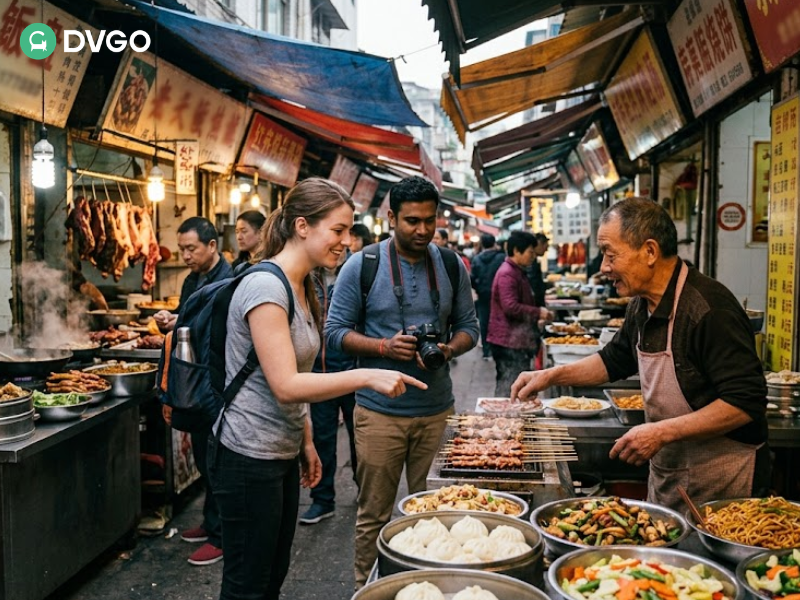
Culinary travel is one area that has grown significantly. Many travelers now explore destinations through food, seeking out local specialties, regional dining traditions, and unique culinary experiences that cannot be replicated elsewhere.
Cultural immersion is another major driver of travel demand. Visitors may participate in traditional craft workshops, explore historic neighborhoods, or engage with local cultural institutions. These experiences offer a deeper understanding of the destination and create more memorable travel moments.
A related trend is the rise of industry-focused travel. Some international visitors are interested in exploring China’s innovation ecosystems, manufacturing centers, and regional economic clusters. Trips to the Greater Bay Area, for example, may include visits to technology hubs, startup communities, and research facilities.
These journeys combine elements of tourism, education, and professional networking, creating hybrid travel experiences that extend beyond conventional sightseeing.
Ultimately, modern travelers are motivated not only by destinations but by the emotional and cultural value of the experiences they encounter. Travel businesses that successfully design immersive, story-driven journeys will have a significant advantage in attracting discerning clients.
What These Trends Mean for Travel Businesses
The convergence of technological innovation, inbound travel growth, and evolving traveler expectations is redefining competition within the travel industry.
To remain competitive, travel businesses must rethink how they operate and deliver value to clients.
Operational efficiency is becoming increasingly important. As demand grows, manual processes make it difficult to scale services effectively. Agencies that adopt digital tools and automation systems can respond to inquiries faster and manage larger volumes of clients while maintaining service quality.
At the same time, travel providers must move toward integrated service models. Inbound travelers—particularly corporate visitors—often require comprehensive support rather than isolated travel products. Services such as transportation, interpretation, itinerary planning, and local coordination must work together seamlessly to create a smooth travel experience.
Finally, travel design must focus on experiences rather than destinations alone. Instead of offering generic tours, travel businesses should build programs that highlight the cultural, culinary, and economic uniqueness of each region.
For example, a business traveler attending the Canton Fair might extend their trip to explore local manufacturing hubs, experience regional cuisine, or visit innovation centers within the Greater Bay Area. Such programs combine professional objectives with memorable cultural insights.
How Travel Professionals Can Capture the Opportunity
For travel advisors, destination management companies, and corporate planners, adapting to the evolving tourism landscape requires strategic adjustments.
One important step is upgrading operational workflows. Integrating AI-powered planning tools can streamline itinerary creation, automate proposal generation, and improve responsiveness to client inquiries.
Another key strategy is focusing on high-growth travel segments. Corporate travel, trade show travel, and experiential tourism programs currently offer some of the strongest opportunities for service providers working with international clients.
Building reliable local partnerships is equally important. High-quality travel experiences depend on collaboration with trusted suppliers, including transportation providers, interpreters, local guides, and hospitality partners. A strong network ensures that services remain consistent and reliable.
By combining efficient operations with curated travel experiences, travel professionals can position themselves to benefit from the continued expansion of China’s tourism market.
Conclusion: The Future of Travel in China
China’s tourism industry is entering a new stage of development shaped by technology, policy support, and changing traveler expectations.
Artificial intelligence is transforming operational workflows, inbound travel demand is returning with renewed momentum, and travelers are increasingly seeking authentic experiences that connect them with local culture and communities.
Businesses that succeed in this environment will be those that combine operational efficiency with thoughtful experience design and reliable service delivery.
As the industry continues to evolve, travel professionals who embrace innovation and focus on delivering meaningful travel experiences will be best positioned to capture the next wave of growth in China’s tourism market.