-
More Blogs

-
Canton Fair 2026 After Hours Guide | Guangzhou Drinker’s Map Culture
Canton Fair 2026 After Hours Guide | Guangzhou Drinker’s Map Culture
 4月 15, 2026
Where the Real Canton Fair Begins
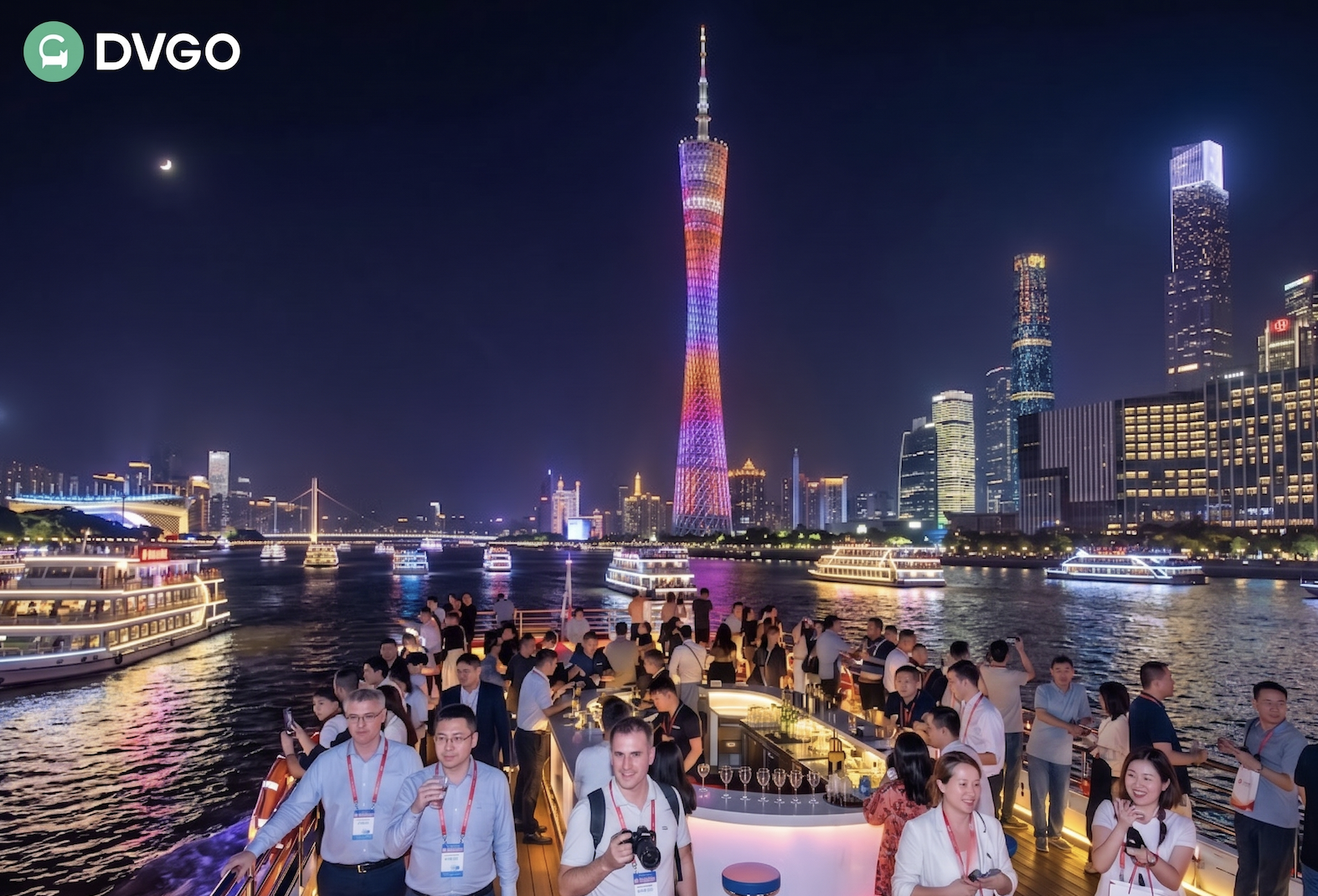
For most first-time visitors, the Canton Fair ends when the exhibition halls close. For experienced buyers and seasoned exhibitors, that’s when the real game starts.
In Guangzhou, nightlife is not just entertainment—it is a parallel business environment. Deals don’t always close under fluorescent lights in exhibition booths. They move forward in dimly lit spaces, over drinks, in conversations that feel informal but carry strategic weight.
This is where the idea of a “Drinker’s Map” comes in—not as a list of bars, but as a system for navigating opportunity.
The Concept of a “Drinker’s Map”
A typical nightlife guide tells you where to go. A “drinker’s map” tells you why you’re going.
It reframes nightlife from random exploration into intentional movement through social environments.
Instead of asking:
-
“Which bar is popular?”
You start asking:
-
“What kind of interaction do I need tonight?”
This shift is critical for business travelers with limited time and high expectations.
Guangzhou at Night: A Layered Social System
Guangzhou’s nightlife is not one-dimensional. It operates in layers, each serving a different function within the business ecosystem.
Layer 1: Transitional Spaces (Decompression)
These are places close to Pazhou where people go immediately after the fair.
-
Low commitment
-
Short duration
-
Functional conversations
Role: Shift from formal business mode → relaxed interaction
Layer 2: Structured Social Spaces (Connection)
These environments are designed for controlled interaction.
-
Moderate noise levels
-
Comfortable seating
-
Balanced atmosphere
Role: Build trust, exchange perspectives, explore potential cooperation
Layer 3: High-Energy Spaces (Acceleration)
These are louder, more dynamic environments.
-
Music-driven
-
Emotionally engaging
-
Social barriers lowered
Role: Break down hierarchy, accelerate relationship building
Layer 4: Cultural Spaces (Depth)
These are not necessarily “business venues,” but they carry local identity.
-
Design-focused
-
Community-driven
-
Less international, more local
Role: Create memorable experiences and deeper personal connections
Why Most Visitors Use Nightlife Inefficiently
The majority of Canton Fair attendees approach nightlife passively:
-
They rely on random recommendations
-
They follow crowds without context
-
They prioritize convenience over strategy
This leads to:
-
Low-quality interactions
-
Missed opportunities
-
Wasted time
The issue is not a lack of options—it is a lack of framework.
The Strategic Use of a Drinker’s Map
A well-designed after-hours map transforms nightlife into a repeatable system.
1. Intent Before Location
Every evening should start with a clear objective:
-
Relationship building
-
Deal progression
-
Stress release
The map then filters environments accordingly.
2. Controlled Movement
Instead of staying in one place, effective users move through 2–3 environments per night:
-
Start: low-pressure setting
-
Middle: conversation-focused space
-
End: relaxed or high-energy venue
This creates a natural progression in interaction.
3. Time Compression
Business travelers operate under tight schedules.
A drinker’s map reduces:
-
Search time
-
Travel inefficiency
-
Decision fatigue
4. Risk Reduction
Not all nightlife environments are suitable for business contexts.
The map helps avoid:
-
Overly noisy venues for serious discussion
-
Tourist-heavy locations with low authenticity
-
Mismatched environments for specific goals
Nightlife as a Business Multiplier
What happens after hours directly impacts what happens the next day.
-
A relaxed conversation can unlock pricing flexibility
-
A shared experience can accelerate trust
-
An informal setting can reveal real intentions
In many cases, the second meeting is not scheduled—it happens organically at night.
The Role of Environment in Decision-Making
Human behavior changes depending on environment:
| Environment Type | Conversation Style | Outcome Potential |
| Quiet & Premium | Focused, rational | Deal refinement |
| Social & Balanced | Open, exploratory | Relationship building |
| High Energy | Emotional, spontaneous | Trust acceleration |
A drinker’s map works because it aligns environment with intention.
Why Guangzhou Requires a System
Unlike smaller cities, Guangzhou presents unique challenges:
-
Large geographic spread
-
Traffic unpredictability
-
Information asymmetry for foreigners
Without a structured approach, even experienced travelers lose efficiency.
From Exploration to Execution
The biggest shift is this:
Casual nightlife → Strategic nightlife
A drinker’s map is not about discovering more places. It is about making fewer, better decisions.
How DVGO Fits Into This System
Planning is only half of the equation. Execution determines results.
A structured solution like DVGO bridges the gap between idea and action:
-
Translates nightlife strategy into real маршруты
-
Reduces friction between locations
-
Aligns timing, transport, and venue selection
-
Keeps the focus on relationship outcomes
Instead of reacting to the city, you move through it with intent.
Final Perspective
Canton Fair is often viewed as a daytime event. In reality, it operates on a 24-hour cycle.
Daytime builds visibility.
Nighttime builds relationships.
Those who understand this distinction—and act on it—gain a measurable advantage.
The “drinker’s map” is not about drinking. It is about navigating human interaction with precision.
Break down hierarchy, accelerate relationship building
Layer 4: Cultural Spaces (Depth)
These are not necessarily “business venues,” but they carry local identity.
-
Design-focused
-
Community-driven
-
Less international, more local
Role: Create memorable experiences and deeper personal connections
Why Most Visitors Use Nightlife Inefficiently
The majority of Canton Fair attendees approach nightlife passively:
-
They rely on random recommendations
-
They follow crowds without context
-
They prioritize convenience over strategy
This leads to:
-
Low-quality interactions
-
Missed opportunities
-
Wasted time
The issue is not a lack of options—it is a lack of framework.
The Strategic Use of a Drinker’s Map
A well-designed after-hours map transforms nightlife into a repeatable system.
-
Intent Before Location
Every evening should start with a clear objective:
-
Relationship building
-
Deal progression
-
Stress release
The map then filters environments accordingly.
-
Controlled Movement
Instead of staying in one place, effective users move through 2–3 environments per night:
-
Start: low-pressure setting
-
Middle: conversation-focused space
-
End: relaxed or high-energy venue
This creates a natural progression in interaction.
-
Time Compression
Business travelers operate under tight schedules.
A drinker’s map reduces:
-
Search time
-
Travel inefficiency
-
Decision fatigue
-
Risk Reduction
Not all nightlife environments are suitable for business contexts.
The map helps avoid:
-
Overly noisy venues for serious discussion
-
Tourist-heavy locations with low authenticity
-
Mismatched environments for specific goals
Nightlife as a Business Multiplier
What happens after hours directly impacts what happens the next day.
-
A relaxed conversation can unlock pricing flexibility
-
A shared experience can accelerate trust
-
An informal setting can reveal real intentions
In many cases, the second meeting is not scheduled—it happens organically at night.
The Role of Environment in Decision-Making
Human behavior changes depending on environment:
| Environment Type | Conversation Style | Outcome Potential |
| Quiet & Premium | Focused, rational | Deal refinement |
| Social & Balanced | Open, exploratory | Relationship building |
| High Energy | Emotional, spontaneous | Trust acceleration |
A drinker’s map works because it aligns environment with intention.
Why Guangzhou Requires a System
Unlike smaller cities, Guangzhou presents unique challenges:
-
Large geographic spread
-
Traffic unpredictability
-
Information asymmetry for foreigners
Without a structured approach, even experienced travelers lose efficiency.
From Exploration to Execution
The biggest shift is this:
Casual nightlife → Strategic nightlife
A drinker’s map is not about discovering more places. It is about making fewer, better decisions.
How DVGO Fits Into This System
Planning is only half of the equation. Execution determines results.
A structured solution like DVGO bridges the gap between idea and action:
-
Translates nightlife strategy into real маршруты
-
Reduces friction between locations
-
Aligns timing, transport, and venue selection
-
Keeps the focus on relationship outcomes
Instead of reacting to the city, you move through it with intent.
Final Perspective
Canton Fair is often viewed as a daytime event. In reality, it operates on a 24-hour cycle.
Daytime builds visibility.
Nighttime builds relationships.
Those who understand this distinction—and act on it—gain a measurable advantage.
The “drinker’s map” is not about drinking. It is about navigating human interaction with precision.